Table of Contents
You’ve made the decision. Maybe you’ve already got a new job lined up, or maybe you just know it’s time to go. Either way, you’re now staring down one of the most awkward professional moments there is: actually quitting.
Here’s the thing — most people don’t think through how to quit a job until they’re mid-panic, wondering whether to send a text or walk straight into their boss’s office. The way you leave matters. It can protect your reputation, keep valuable references intact, and make sure the door stays open if you ever need to walk back through it. Done right, resigning doesn’t have to be painful. This guide covers exactly how to do it.

Is It Time to Resign? Recognizing When to Leave
Before getting into the how, it’s worth briefly acknowledging the why — not to second-guess yourself, but because being clear on your reasons to quit shapes how you handle the conversation with your boss.
Common reasons to resign include a better opportunity, burnout, toxic management, lack of growth, or a mismatch between your values and the company’s direction. You don’t owe your employer a detailed explanation. “I’ve accepted another opportunity” is a complete sentence.
If you want to quit a job without another one lined up, that’s valid too. Just make sure your finances can carry you through a job search, since the average search can take anywhere from one to six months depending on your field.
Once you’re sure — and only once you’re sure — move on to the next step.
How Much Notice to Give
The standard is two weeks’ notice. Give at least two weeks’ notice unless your contract says otherwise or the situation makes it unsafe to stay.
Some roles — senior positions, specialized technical jobs, or anything with complex handover needs — genuinely benefit from more time. If you can offer three or four weeks and you’re leaving on good terms, it’s worth considering. It signals professionalism and makes you easier to rehire someday.
When you’re quitting a job in a field where people talk, sufficient notice is a reputation investment.
When Two Weeks Isn’t Possible
Sometimes circumstances mean you can’t give ample notice — a medical issue, a hostile workplace, or a new employer who needs you to start immediately. If that’s your situation, be honest but brief. Most reasonable managers understand that life happens. What they don’t forget is ghosting or abrupt exits with no explanation.
How to Tell Your Boss You’re Quitting
Tell your boss before you tell anyone else. This sounds obvious, but people mess this up constantly — mentioning it to a colleague first, or letting HR find out before the manager. Your direct supervisor should always hear it from you first.
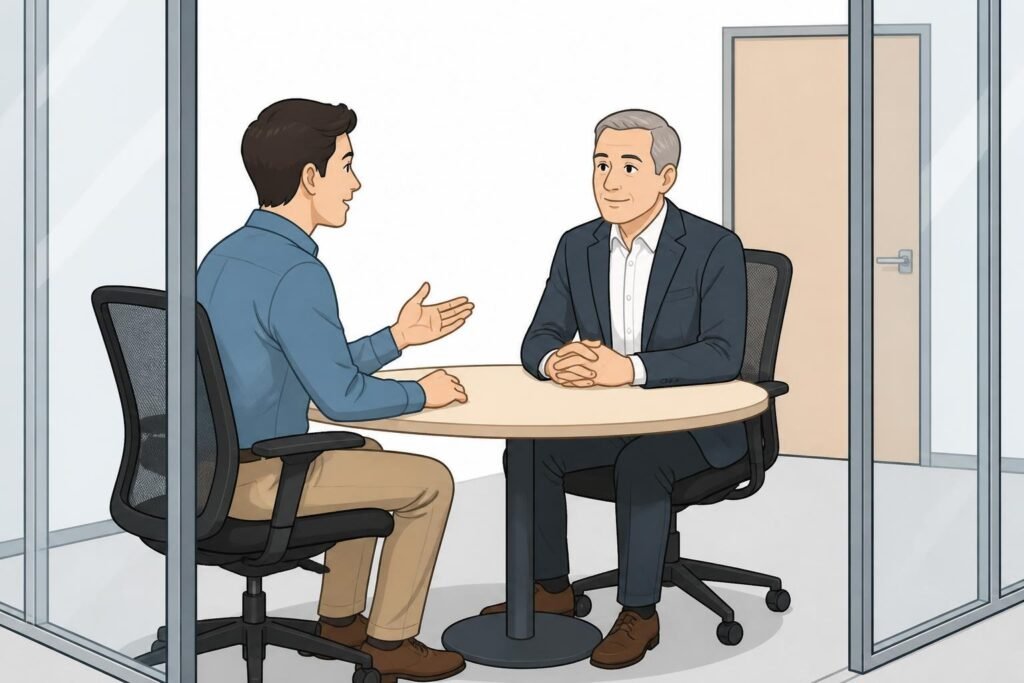
Request a private meeting. Don’t quit over email, Slack, or in a group setting. Ask for a few minutes of their time and be direct: “I wanted to let you know that I’ve made a decision to resign, and I wanted to tell you in person.”
Keep the conversation short and professional. You don’t need to explain everything. You don’t owe anyone your full story. Focus on:
- Your last day of work (typically two weeks out)
- Your commitment to a smooth transition
- Brief, genuine gratitude for the opportunities
Don’t get pulled into a long negotiation unless you genuinely want to stay. If you’ve made your decision to resign, hold it.
How to Write a Resignation Letter
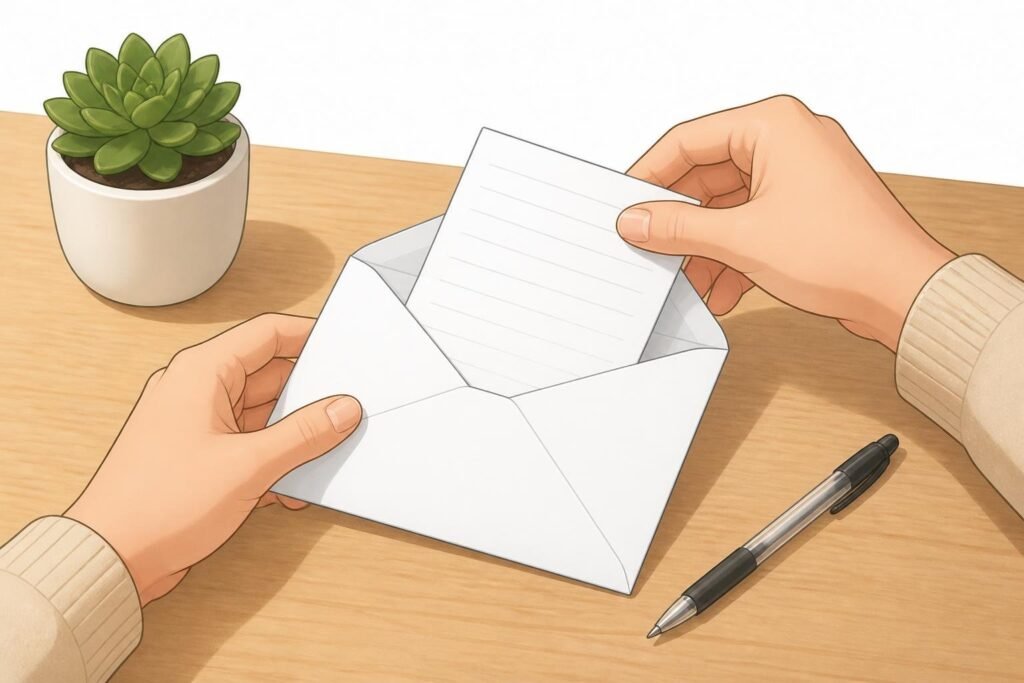
A formal resignation letter is a formality, but it’s an important one. It creates a written record, protects you legally, and keeps the resignation process clean.
What to Include in Your Resignation Letter
Your letter of resignation doesn’t need to be long. One page — or even a few short paragraphs — is plenty. Here’s what to cover:
- Your intention to resign — state it clearly in the first sentence
- Your last day of employment — reference the date explicitly
- Gratitude for the opportunities — one or two sentences, genuine but brief
- An offer to help with the transition — mention ongoing projects if relevant
- Your contact information — so HR has it on file
Keep it positive. Now is not the time for grievances. Even if you’re leaving because your workplace was miserable, your written resignation letter is not a therapy session. What you write becomes a permanent part of your employment record.
What NOT to Include
Don’t write your reasons for leaving in detail. Don’t criticize your manager, your colleagues, or the company. Don’t make promises you can’t keep (like “I’ll be available anytime after I leave”).
Sample Resignation Letter Structure
Dear [Manager’s Name],
I’m writing to formally inform you of my decision to leave [Company Name]. My last day of work will be [Date], giving [two weeks’ / X weeks’] notice from today.
I’m grateful for the opportunities I’ve had here and the experience I’ve gained. I’m committed to making this transition as smooth as possible and am happy to assist with handover for any ongoing projects.
Thank you for everything.
[Your Name]
That’s it. Short, professional, done.
Making a Smooth Transition Before You Go
Once you’ve handed in your written resignation, your job isn’t over — you’ve got a notice period to get through. How you spend those final weeks is what most colleagues will actually remember.
To ensure a smooth transition:
- Document your processes — write down workflows, passwords, and anything task-specific that lives only in your head
- Brief your replacement or colleagues — if a replacement is being hired, leave notes; if not, help your team absorb your responsibilities
- Wrap up or formally hand off ongoing projects — don’t leave people guessing about where things stand
- Update shared documents and files — clean up, organize, and label things clearly
This isn’t just about being nice. It’s about professionalism. People will talk about how you left, and “they made it so easy” is the thing you want said.
How to Handle the Exit Interview
Many companies ask departing employees to participate in an exit interview with HR. These are optional in most workplaces, but it’s usually worth doing.
An exit interview is a chance for the company to understand why people leave. You can share honest feedback — but calibrate how honest you want to be. If you’re leaving a healthy company for a better opportunity, give genuine, constructive thoughts. If you’re leaving a toxic environment, be selective. Venting everything in an exit interview rarely changes anything, and it can occasionally make its way back to people.
The goal is to leave on good terms. Keep feedback factual and forward-looking rather than personal.
Updating LinkedIn After You Leave
Once you’ve officially left, update your LinkedIn profile. This is your public professional record, and keeping it current matters — especially during a job search.
Update your current job, add your end date, and if you’re starting a new role, add that too. A clean, current LinkedIn signals that you’re organized and active.
It’s also a good time for staying in touch. Connect with former colleagues you respect, send a short note to people who mentored or supported you, and keep those relationships warm. The person who helped you at your current job might be the one who refers you to your next job.

Special Cases Worth Knowing About
How to Quit a New Job
If you want to quit a new job — say you’ve been there less than three months — it feels awkward, but it happens. Be honest without oversharing. Something like: “I’ve realized this role isn’t the right fit for me at this stage of my career” is enough. Give whatever notice period your contract requires. Burning bridges at a new employer still counts as burning bridges.
Quitting a Job Without Another One Lined Up
If you’re resigning without a new position, keep your reasons simple when talking to your manager. “I’m taking time to focus on my career direction” is fine. The detailed version of why is for your close circle, not for your workplace.
Quitting When You Need a Reference
If you need a reference from this employer, it’s even more reason to leave carefully. A gracious exit — ample notice, clean handover, a kind word on the way out — dramatically increases your chances of getting a strong referral down the line. Keep the door open.
What Happens After You Resign
Once you’ve submitted your written notice, a few things will typically happen:
- HR will confirm your last day of employment and walk you through any paperwork (final pay, benefits, equipment return)
- You may be asked to participate in an exit interview — see the section above
- Your access may be cut off immediately, especially in roles with sensitive data or client relationships — this is normal and not personal
- Your manager may ask you to stay longer — you can consider it, but you’re not obligated to extend beyond your agreed notice period
The resignation process varies by company, but if you’ve been straightforward and professional, it should be uneventful.

Final Thoughts
Quitting a job well is one of those things that seems minor until you realize how small most industries actually are. You’re going to run into these people again — at conferences, on LinkedIn, through mutual contacts, or when you’re both applying at the same company five years from now.
The way you leave says more about you than almost anything you did while you were there. Give proper notice, write a clean resignation letter, stay professional through your last day, and say a genuine goodbye.
You’ve already made the hard decision. Now just make sure you execute it well.
Looking for career guidance or help drafting your resignation letter? Career services professionals and tools like Claude can help you put it into words.