Table of Contents
You’ve decided you want to run a marathon. Maybe someone told you it was impossible, or you watched someone else cross the finish line and thought — I could do that. Either way, 26.2 miles is no joke, and showing up undertrained is a painful way to find out.
The good news? Completing a marathon is achievable for almost anyone with the right plan, enough time, and the willingness to do the work. This guide covers everything — from your first week of training to what you eat before a marathon — so you actually make it to the start line ready to run.
Are You Ready to Sign Up for a Race?
Before you pick a training plan, you need an honest baseline. Most marathon training programs assume you can already run 3–4 days a week and handle a long run of around 6–8 miles without falling apart.
If you can’t do that yet, spend 4–6 weeks building a solid base of running before diving into a full marathon training program. A half marathon is also a smart stepping stone — it teaches you race-day logistics, fueling, and pacing without the full 26.2-mile commitment.
Once you’re ready to commit, sign up for a race. Having a real date on the calendar changes everything. It turns “someday” into a training schedule.
How Long Does Marathon Training Actually Take?
Most marathon training plans run 16–20 weeks. That’s roughly 4–5 months from your first structured training run to race day.
Beginners typically need 20 weeks. If you’re already a regular runner with some half marathon experience, 16 weeks is realistic. Don’t compress it. The body needs time to adapt, and skipping weeks to rush the process is the fastest route to injury.

Picking the Right Training Plan
There’s no shortage of marathon training plans out there — from Hal Higdon’s beginner programs to more structured options used to qualify for the Boston Marathon. The best one is the one you’ll actually follow.
Look for a plan that:
- Has you running 4 times a week minimum
- Includes one weekly long run that builds progressively
- Has a taper period (more on that below)
- Matches your current fitness level, not your aspirational one
If you’re new to this, a running coach can be worth the investment — especially if you’re prone to injury or struggling with pacing.
Building Your Weekly Mileage
The engine of any marathon training plan is the long run. Every week, you’ll run one longer effort that progressively increases your mileage and builds the endurance your body needs to cover 26.2 miles.
Most plans peak at a long run of 20–22 miles, done 2–3 weeks before race day. The logic: you don’t need to run 26 miles in training to finish a marathon. Your race-day adrenaline, crowd energy, and taper freshness cover the rest.
What the Rest of Your Week Looks Like
Beyond long runs, your weekly training sessions typically include:
- Easy running days — These are slower, conversational-pace miles that build your aerobic base without hammering your legs. Easy running makes up the bulk of most marathon training programs.
- One or two mid-distance runs — Usually 6–10 miles, run at a moderate effort.
- Speed work or tempo runs — Not every plan includes these, but they help improve your running efficiency and marathon pace if done correctly.
- Rest or cross-training days — Non-negotiable. This is when your body actually adapts to the training load.
Running 4 times a week is a reasonable starting point. Some runners do 5–6 days, but more isn’t always better — especially if you’re new to structured training.
Strength Training for Marathon Runners
Most runners skip this. Most runners also get hurt.
Strength training exercises — squats, lunges, single-leg deadlifts, hip bridges, calf raises — build the muscular support your joints need to handle hundreds of miles of cumulative pounding. Aim for 2 sessions per week, especially in the first half of your training program.

Keep it simple. You don’t need a complicated gym program. Two 30-minute sessions of targeted lower-body and core work per week will make you a stronger, more durable marathon runner.
Reduce the intensity of strength training in the final 3–4 weeks before your marathon. You want to arrive at the start line with fresh legs, not sore ones.
How to Fuel Your Runs
Fueling is where a lot of first-time marathoners get it badly wrong.
Your body can store roughly 90–120 minutes of glycogen (carbohydrate energy). After that, without taking on fuel mid-run, you hit the wall — that brutal slowdown around mile 18–20 where your legs feel like concrete and your brain stops cooperating.
During Training
Practice fueling during your long runs from the start. This means taking a gel, chew, or sports drink every 45–60 minutes once your runs exceed 90 minutes. Don’t wait until race day to figure this out — your stomach needs to get used to processing fuel while running.
Try different options in training: gels, real food, dates, banana pieces. What works for someone else might not work for you, and finding out during the race is not the move.
What to Eat Before a Marathon
In the days before the race, increase your carbohydrate intake — pasta, rice, bread, oats. This tops off your glycogen stores. Don’t overdo it; you’re fueling, not eating yourself into a food coma.
On race morning, eat a familiar, easily digestible meal 2–3 hours before the start. Oatmeal with banana, toast with peanut butter, or whatever you’ve been eating before your long runs. Race day is not the time to experiment.
Hydration matters too. Sip water consistently in the days leading up to the marathon, and drink to thirst on race day — overhydrating can actually be dangerous.
The Taper: Why You Run Less Before the Race
Three weeks before your marathon, you start cutting mileage. This is called the taper, and it feels deeply wrong.
Your long runs get shorter. Your weekly volume drops by 20–40%. You’ll feel sluggish, anxious, and convinced you’re losing fitness. You’re not. Your muscles are repairing, your glycogen stores are filling up, and your body is priming itself for race day.
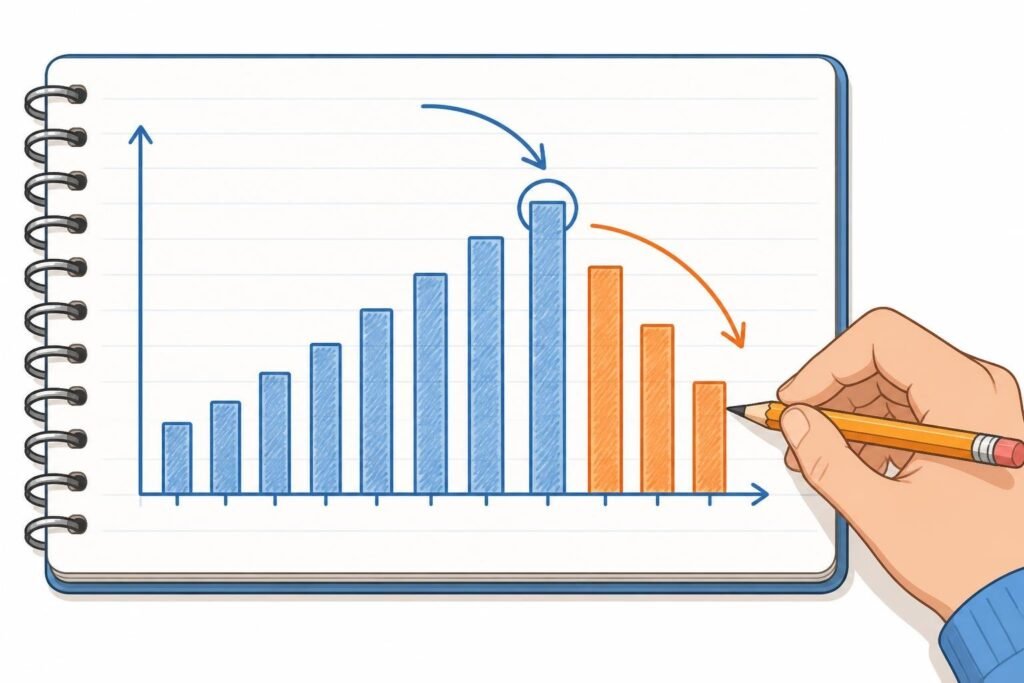
Trust the taper. Don’t try to sneak in extra miles because you’re feeling restless. The fitness is already banked. Your job in those final weeks is to rest, stay loose with short run sessions, sleep well, and stay off your feet as much as possible.
Marathon Race Day: What to Expect
You’ve done the training. Now you need to execute.
The Start
Start slower than you think you need to. Seriously. The excitement of race day makes almost every runner go out too fast in the first few miles. A pace that feels easy at mile 2 will feel very different at mile 20.
Aim to run the first half of the marathon at or slightly slower than your goal marathon pace. Negative splitting — running the second half faster than the first — is how most runners achieve their best times.
Miles 18–22: The Hard Part
This is where marathon races are won and lost, even for people just trying to finish. If you’ve fueled properly, paced well, and trained consistently, you’ll get through it. If you went out too fast and skipped gels, you won’t.
Keep taking fuel. Talk yourself through it. Focus on the next mile, not the total distance remaining.
Crossing the Marathon Finish Line
When you cross that marathon finish line, take a moment to actually feel it. You ran 26.2 miles. That’s not nothing — that’s months of early mornings, sore legs, and showing up even when you didn’t feel like it.

Gear: What You Actually Need
The list is shorter than you think.
The one thing you absolutely must get right is your running shoe. Get fitted at a specialty running store, not online. A poorly fitting shoe over hundreds of training miles leads to blisters, black toenails, and potentially serious injury.
Everything else — running clothes, GPS watch, hydration vest — is optional. Dress for the weather, wear what you’ve trained in, and don’t debut new gear on race day. That includes shoes.
Setting Your Marathon Goals
Be honest with yourself when setting marathon goals. First-time runners should have two: finishing, and finishing feeling okay. Time goals are for your second or third marathon once you know what your body can do.
If you’ve been training consistently and tracking your paces, you can use a race predictor (based on your half marathon time or recent long run paces) to estimate a realistic finish time. A 4-hour marathon averages about 9:09 per mile. A 5-hour marathon is around 11:27 per mile. Both are real achievements.
Famous events like the London Marathon and Boston Marathon attract runners at every level — from 2:30 elites to 6-hour finishers who walk half of it. Every one of them ran the same 26.2 miles.
The Thing Nobody Tells You About Running a Marathon
You will want to quit somewhere around miles 18–22. Almost everyone does.
The runners who finish — the first-timers, the back-of-the-packers, the people who started running at 50 — they didn’t quit because they decided not to. The training gave them a reason to keep going. Each long run, each early morning, each session when they showed up tired and did it anyway — that’s what carries you to the finish.
Pick your race. Build your plan. Do the long runs. And when race day comes, trust what your legs already know.
Ready to start? Find a local marathon or half marathon on a race calendar near you, mark the date, and begin week one of your training plan this weekend. The hardest part is just deciding to go.