Table of Contents
You flush the toilet and the water starts rising. Your stomach drops. You grab the handle and flush again — which, for the record, is exactly the wrong move.
A clogged toilet is one of the most common household problems, and most of the time you don’t need to call a plumber or panic. Whether the blockage is from too much toilet paper, a build-up in the toilet trap, or something that shouldn’t have been flushed in the first place, there’s a good chance you can fix it yourself in under 20 minutes. This guide covers every reliable method — starting with the easiest ones — so you can deal with a clogged toilet and move on with your day.
Before You Do Anything: Stop the Overflow
If the toilet is clogged and water in the toilet bowl is dangerously close to the rim, do not try flushing the toilet again.
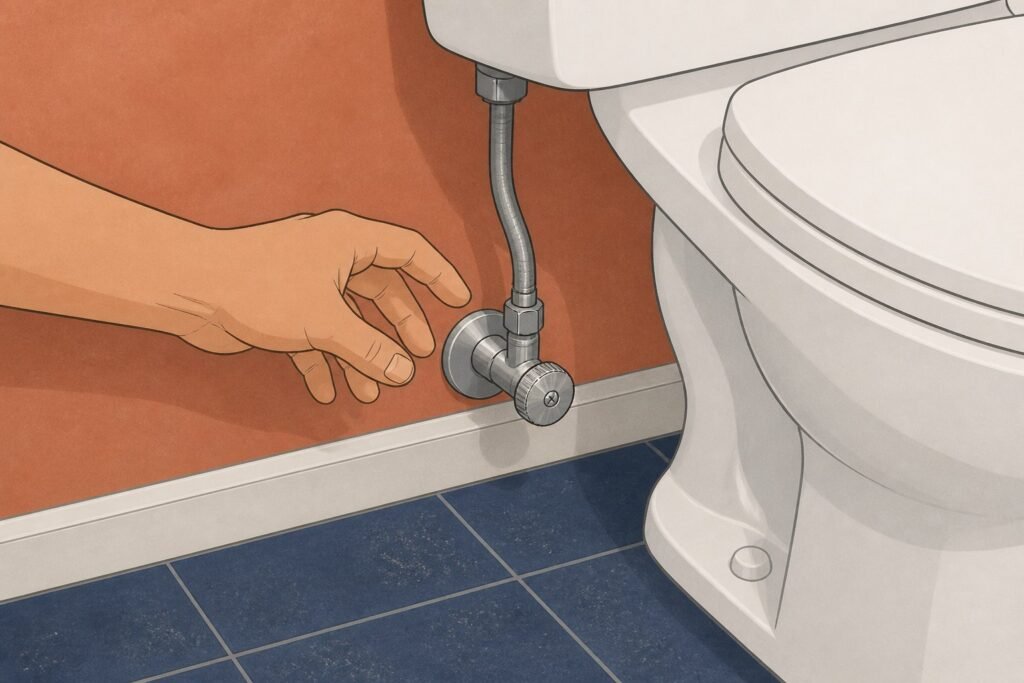
Instead, take off the tank lid and push the flapper down — that’s the rubber stopper at the bottom of the tank. This stops more water from entering the bowl. Then turn off the water valve behind the toilet (it’s the oval knob on the pipe coming out of the wall near the floor). Turn it clockwise until it stops.
Now you’ve bought yourself time to actually fix the problem.
Method 1: Use a Plunger — The Right Way
A plunger is the fastest, most effective way to unclog a toilet for most standard clogs. But technique matters. Most people plunge a toilet wrong and then wonder why it isn’t working.
Get the Right Plunger
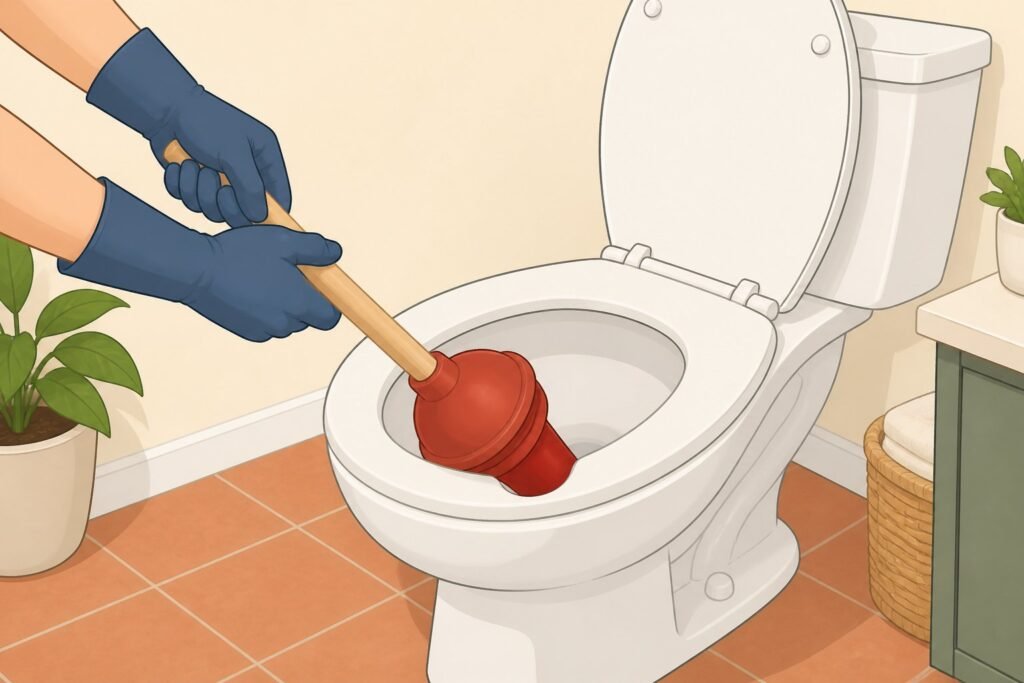
Not all plungers are equal. A flat cup plunger (the basic kind) is designed for flat drains like sinks. For a toilet, you want a flange plunger — one with a soft rubber extension at the bottom that fits into the toilet drain opening. If you only own a flat plunger, it will work in a pinch, but a flange plunger gives you real suction.
How to Plunge the Toilet Correctly
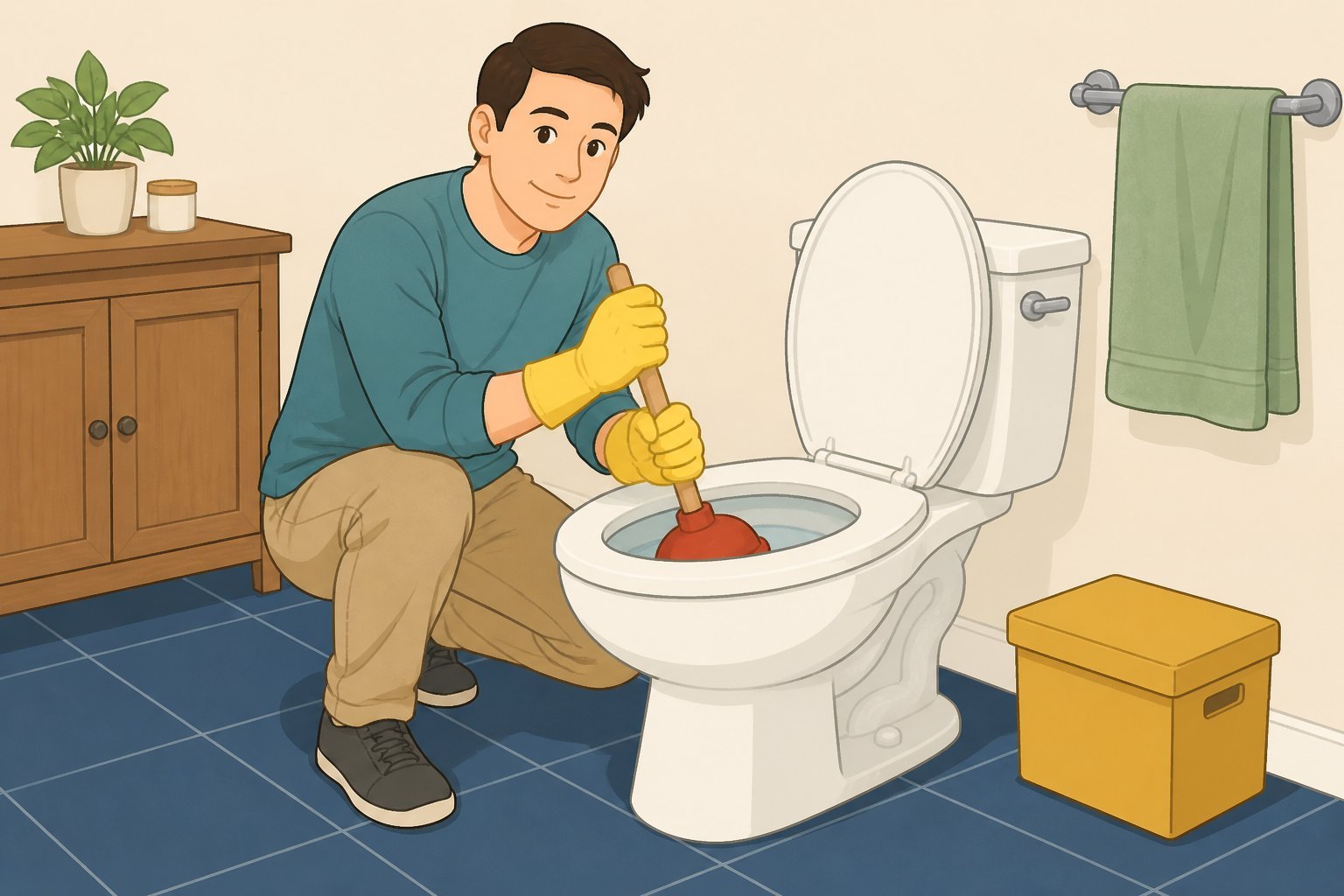
- Put on a pair of rubber gloves — toilet water splashes.
- Make sure there’s enough water in the bowl to cover the plunger head. If it’s low, add some from the tap. If it’s full, scoop some out into a bucket.
- Insert the plunger into the toilet bowl at an angle to let air out of the rubber cup first.
- Seat it firmly over the drain so you have a solid seal.
- Push down slowly, then pull up sharply. You want suction, not just pressure.
- Repeat 10–15 times with steady, controlled strokes.
- After several plunges, pull the plunger up quickly to break the seal — this can dislodge the clog.
- Try flushing the toilet. If the water drains normally, you’re done.
If the water starts draining but slowly, plunge a few more times and flush again. A stubborn toilet may need two or three rounds.
Method 2: Dish Soap and Hot Water
This method works surprisingly well for clogs caused by a build-up of organic waste and toilet paper. The dish soap acts as a lubricant in the toilet trap, and the heat of the water helps break up the blockage.
Here’s what to do:
- Pour about half a cup of dish soap directly into the toilet bowl.
- Heat a gallon of water on the stove until it’s hot but not boiling. Boiling water can crack a porcelain toilet bowl.
- Pour the warm water into the toilet from about waist height — the force and heat together help move things along.
- Let it sit for 15–20 minutes, then try flushing.
If the toilet is draining slowly after the first try, repeat with another round of soap and hot water. This method works best on partial clogs, not full blockages.
Method 3: Baking Soda and Vinegar
This is the low-pressure, no-splash option — good if you don’t have a plunger, or if the soap method didn’t fully clear things up. Baking soda and vinegar create a fizzing reaction that can help break up the clog.
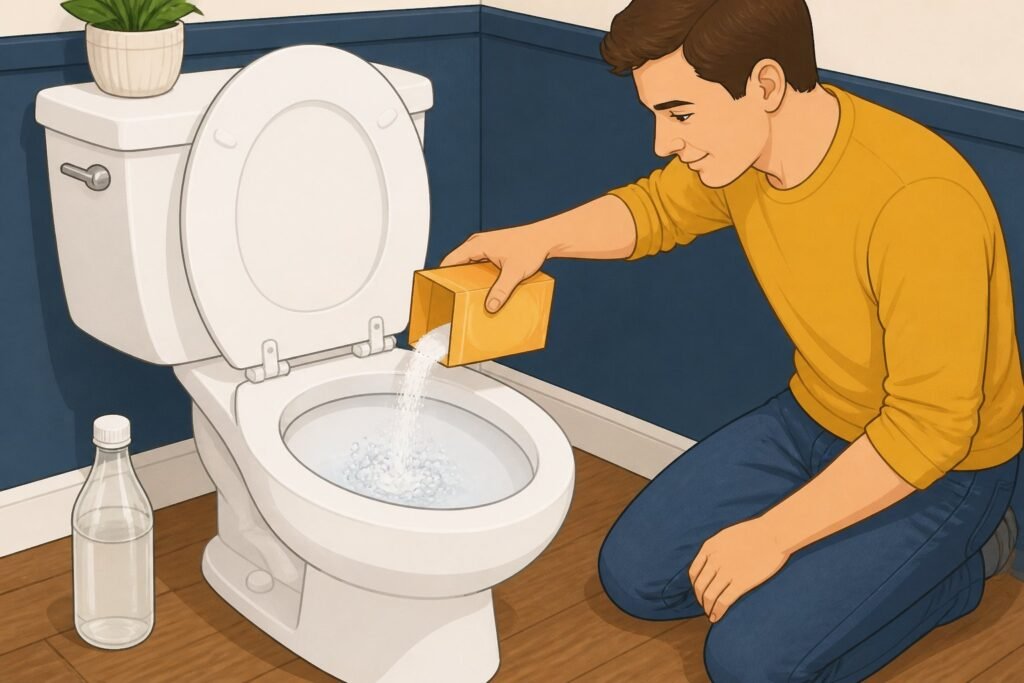
- Pour one cup of baking soda directly into the toilet bowl.
- Follow with one cup of vinegar (white vinegar works best).
- The mix will fizz — that’s normal. Let it sit for 30 minutes.
- Add a gallon of hot (not boiling) water into the toilet bowl.
- Wait another 10 minutes, then flush.
This method is gentler than mechanical approaches, so it may take more than one round. It’s a decent backup, but it won’t clear a serious toilet clog on its own.
Method 4: A Wire Hanger or Toilet Snake
When plunging and home remedies don’t work, you need something that can physically reach the blockage and break it apart. That’s where a snake or hanger comes in.
Using a Wire Hanger
Unwind a wire coat hanger until it’s mostly straight, leaving a small hook at one end. Wrap the hook end in a small rag secured with a rubber band — this protects the toilet from scratches. Feed it carefully into the toilet drain, angling it toward the blockage. Twist and push gently to break up or hook whatever is causing the clog.
This works well for shallow, near-surface blockages.
Using a Toilet Snake (Drain Auger)
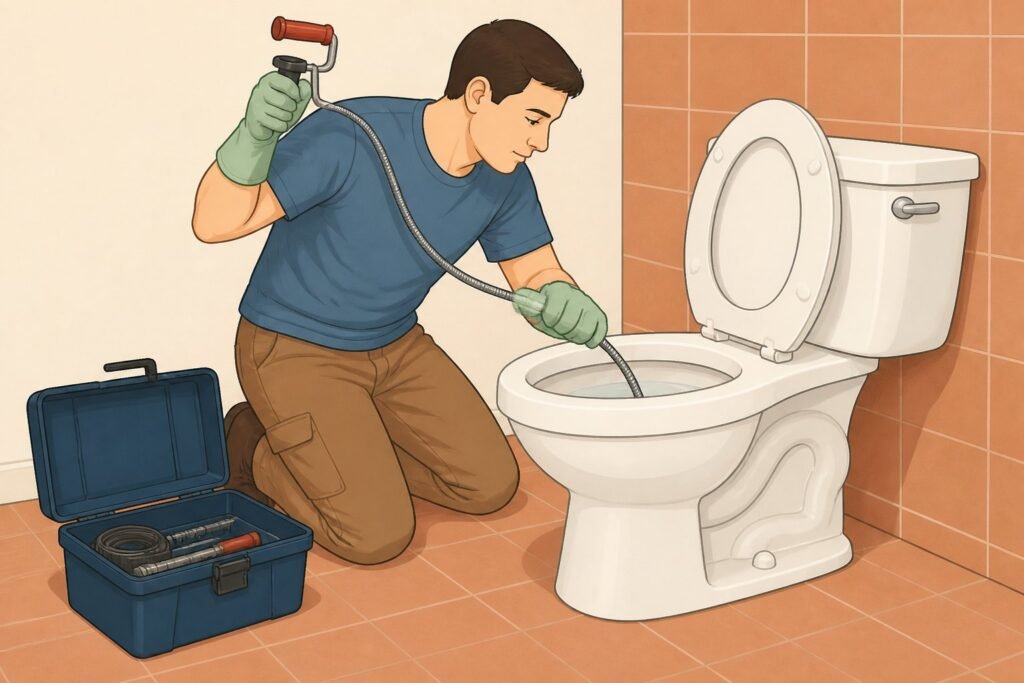
A toilet auger (also called a toilet snake) is a tool designed specifically for unclogging a toilet. It has a flexible metal cable with a corkscrew tip that reaches further into the toilet drain than a hanger ever could.
- Feed the snake cable into the toilet bowl until you feel resistance.
- Turn the handle clockwise to drive the tip into the clog.
- Continue turning and pushing to break up the blockage or hook and pull it out.
- Once you feel the resistance give way, slowly pull the snake back out.
- Flush to confirm the water is draining freely.
A toilet auger is the best non-plunger tool you can have in your home for dealing with a backed-up toilet. They’re inexpensive and available at any hardware store.
Method 5: When the Clog Is Deeper Than the Toilet Trap
Sometimes the problem isn’t in the toilet itself — it’s further down in the drain line. Signs of this include multiple fixtures backing up at the same time (your shower drains slowly, your sink gurgles when you flush), or water coming up in unexpected places.
At this point, you’ve passed the zone where DIY tools can reach. You’ll also want to stop adding water into the toilet bowl — you don’t want to overflow a drain line that’s already backed up.
If the toilet is draining slowly across the whole bathroom, the issue is likely in your main sewer line. This is when you call a plumber. One blocked toilet you can usually handle. A sewer line issue is a different category of problem entirely.
How to Know When It’s Time to Call a Plumber
Most toilet clogs respond to one of the methods above. But there are clear signs that you need a professional:
- You’ve tried everything and the toilet won’t unclog after multiple attempts
- Water is backing up into other drains in the same area
- There’s a gurgling sound coming from your sink or tub when you flush
- You smell sewage coming up through the drain
- The toilet is physically cracked, or you suspect an object like a toy or cloth is lodged deep in the toilet drain
A professional plumber has a camera scope and motorized auger tools that can reach and clear blockages far beyond what you can get to at home. Don’t wait too long — a neglected sewer clog can become a much bigger (and more expensive) problem.
What Actually Causes Most Toilet Clogs
Knowing what causes a clog helps you avoid the next one. The most common culprits:
- Too much toilet paper at once — the single biggest cause of a toilet clog in normal use
- Human waste and toilet paper combined in large amounts — older pipes with slower flow are particularly prone
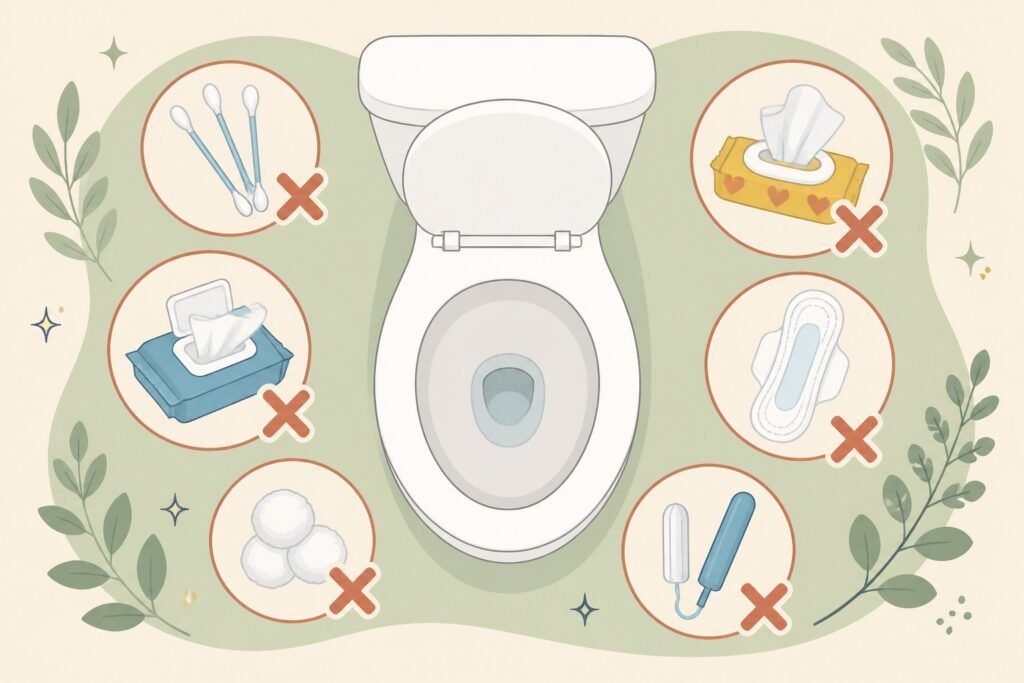
- “Flushable” wipes — they aren’t. They don’t break down the way toilet paper does
- Cotton products — cotton balls, swabs, feminine hygiene products
- Hard water build-up — mineral deposits that narrow the toilet drain over time
- Low-flow toilets that don’t generate enough force to push waste through older pipes
The fix for most of these is simple habits: less toilet paper per flush, nothing in the bowl except human waste and toilet paper, and a double flush when needed.
Quick Fixes That Actually Help Prevent Clogs
You can’t prevent every clog, but you can make them much less frequent:
- Flush twice when you’ve used a lot of toilet paper — once mid-use, once at the end
- Keep a wastebasket in the bathroom for anything that isn’t toilet paper
- Clean the toilet monthly with a toilet brush to keep the drain clear of build-up
- Pour hot water into the bowl once a month to help prevent slow accumulation in the toilet trap
- Check water pressure — low water pressure means weaker flushes and more build-up over time
None of these take more than a few seconds. And they’re a lot easier than dealing with a backed-up toilet at 11pm on a Tuesday.
Most clogs clear with a plunger and some patience. If you don’t have one, dish soap and hot water will handle a surprising number of problems. And if you need to learn how to unclog a toilet without a plunger at all, the baking soda method and wire hanger are solid backups until you can grab a proper snake.
Buy a flange plunger and keep it under the sink. It’s the one tool that makes every future clog a 5-minute fix instead of a 45-minute ordeal.