Table of Contents
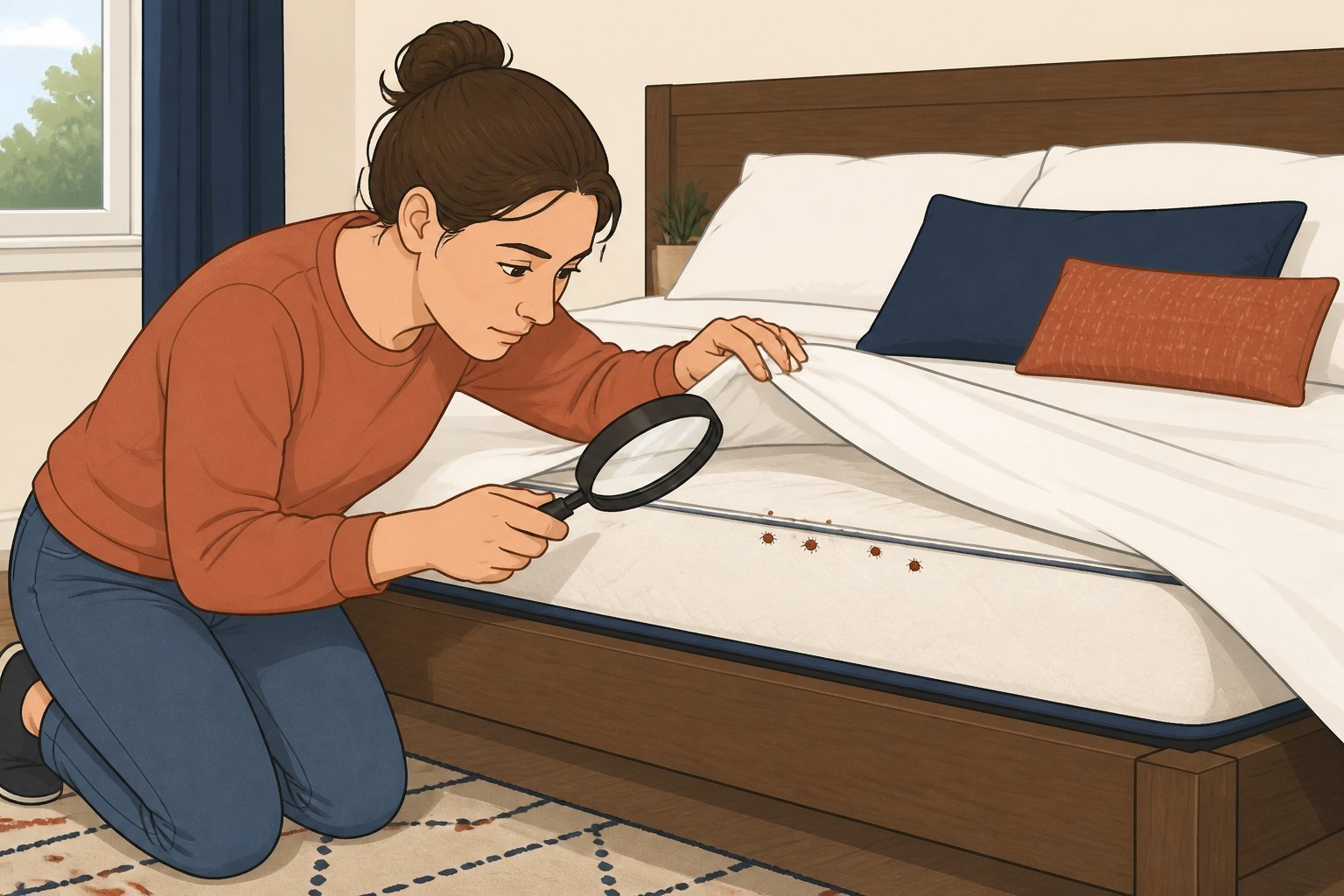
You wake up with itchy red welts and a sinking feeling. You pull back the bedding, check the mattress seam, and there they are — tiny reddish-brown specks that scatter when the light hits them. Bed bugs.
Here’s the part nobody tells you upfront: getting rid of bed bugs is not a one-afternoon job. The CDC estimates that bed bugs can survive up to a year without a blood meal, which means a half-hearted treatment just sends them deeper into hiding. But a full bed bug infestation is beatable. You don’t always need to throw out your mattress or pay thousands for professional pest control right away — not if you act fast and do this right.
How to Know You Actually Have Bed Bugs (And Not Something Else)
Before you buy a single pesticide or strip every piece of bedding in the house, confirm what you’re dealing with. Bed bug bites look a lot like flea bites, dust mite reactions, and even spider bites. Treating the wrong pest wastes time and money.
What to look for:
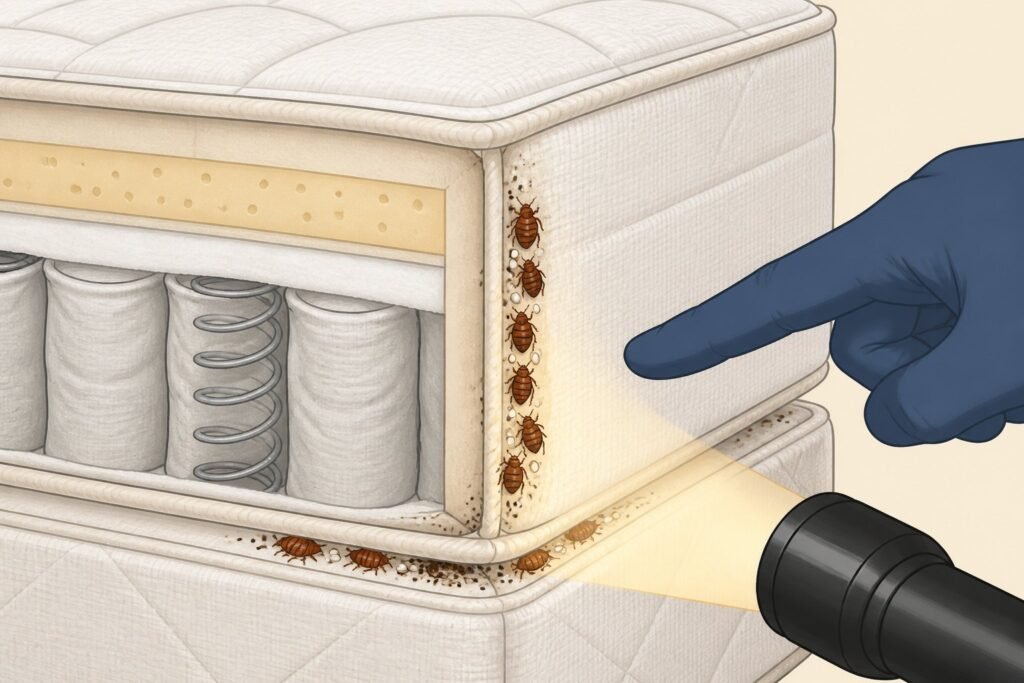
- Live bugs — Adult bed bugs are about the size of an apple seed, flat, and reddish-brown. They come out at night to feed, so catching one in daylight means the infestation is already significant.
- Rust-colored stains on your mattress, box spring, or bedding — that’s digested blood from bugs that were crushed while you slept.
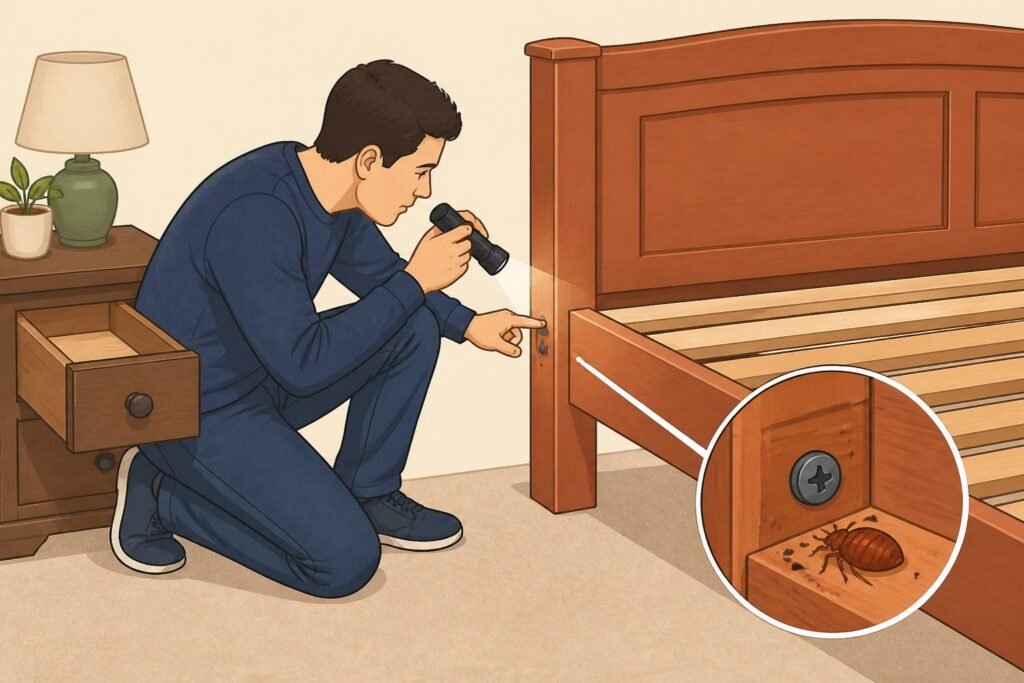
- Dark spots the size of a period (.) on mattress seams, baseboards, and bed frame joints — those are bedbug fecal marks.
- Tiny pale eggs or shed skins in crevices around the bed frame, headboard, and behind baseboards.
- A sweet, musty odor in a heavily infested room.
Don’t confuse them with bat bugs, which look nearly identical. If you have bats in your attic, get an expert to confirm the species before treating.
Step 1: Contain the Infestation Before It Spreads
The moment you confirm bed bugs, your first job is containment. Bed bugs spread by hitchhiking — they hitch a ride on clothing, luggage, bags, and bedding. Moving infested items from one room to another is the fastest way to turn a one-room problem into a whole-house nightmare.
Do this immediately:
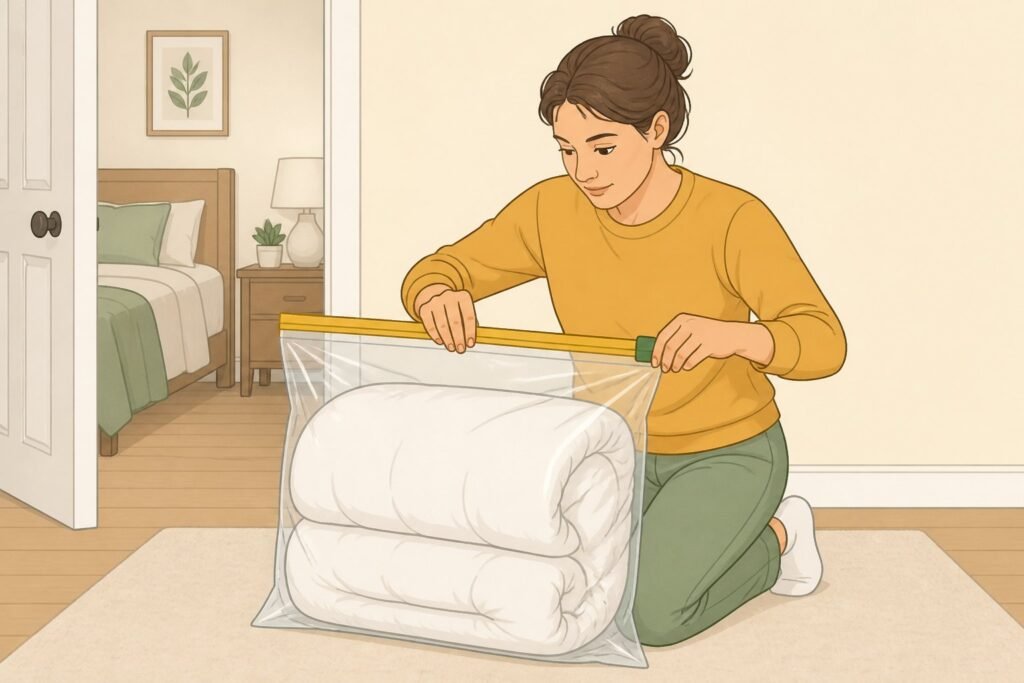
- Strip all bedding — sheets, pillowcases, mattress pads, and pillow covers — and place them directly into a sealed plastic bag before carrying them to the laundry. Don’t shake them out in the bedroom.
- Vacuum the mattress, box spring, bed frame, headboard, carpet, baseboards, and any nearby furniture. Use a crevice attachment to get into every seam and joint. Empty the vacuum bag into a sealed plastic bag and throw it outside immediately — live bugs and eggs can escape a vacuum bag if you leave it sitting around.
- Place infested items that cannot be washed into a sealed plastic bag and leave them there while you work out the treatment plan.
Move your bed away from walls and remove bed skirts. This reduces the number of routes bed bugs can use to reach you.
Step 2: Use Heat — It’s the Most Reliable Bed Bug Killer
Bed bugs cannot survive high heat. Temperatures above 120°F (49°C) kill bed bugs and their eggs within minutes. This makes your washer and dryer your most powerful weapons.
Washing and Drying Bedding
Wash all bedding, clothing, curtains, and any fabric items from the infested area in hot water. Then dry them on the highest heat setting for at least 30 minutes. The dryer is doing most of the work here — the high heat is what kills bed bugs, not the washing itself.
For items that cannot be washed — stuffed animals, shoes, certain clothing — put them in the dryer on high heat for 30 minutes. That alone is enough to kill bed bugs and their eggs.
Heat Treatment for the Room
Professional heat treatment involves heating an entire room to lethal temperatures using industrial equipment. It’s expensive — often $1,000–$3,000 per treatment — but it’s one of the most effective ways to treat bed bugs without pesticides, especially for severe infestations. If you go this route, hire a licensed pest control operator who specializes in this method.
For a DIY heat option, portable bed bug heaters are available for rent in some cities and can treat a single room effectively.
Step 3: Cold Works Too — But Takes Much Longer
Freezing temperatures can also kill bed bugs, but the threshold is harsh: items need to stay at 0°F (-18°C) for at least four days to be reliably lethal. A home freezer set to standard temperature often doesn’t get cold enough consistently.
This method works well for small items — books, electronics, picture frames — that can’t be washed or heated. Seal them in a plastic bag first to prevent condensation damage, then freeze for at least four days.
Step 4: Pesticides and Other Bed Bug Treatments
When heat and cold aren’t enough — or when you’re dealing with a significant infestation — pesticides become part of the plan. A few things to know before you spray anything.
Types of Pesticides That Work
- Pyrethrins and pyrethroids are the most common bed bug spray ingredients. They work on contact but some bedbug populations have developed resistance.
- Neonicotinoids affect the nervous system and work on pyrethroid-resistant bugs.
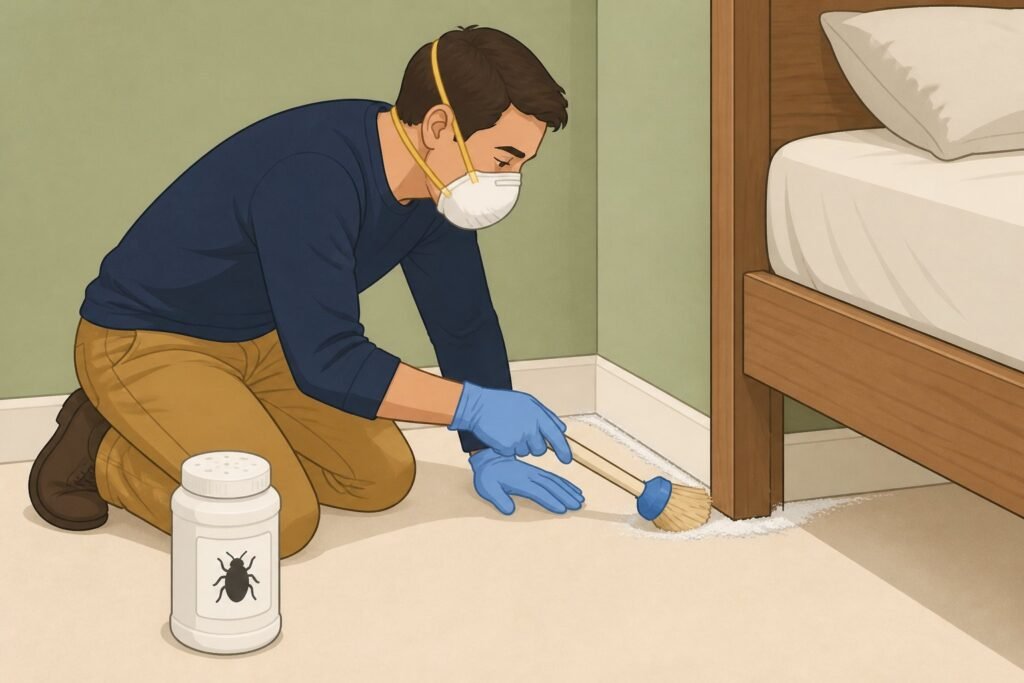
- Desiccants like diatomaceous earth and silica gel are powders that damage the bug’s outer shell and dehydrate it. They’re slow-acting but bugs can’t develop resistance to them. Dust lightly into crevices, behind baseboards, and around the bed frame. Don’t apply in sleeping areas where you’ll breathe it in.
- Insecticide sprays — look for products registered by the EPA specifically for bed bugs. Follow all label directions exactly. Using pesticides incorrectly doesn’t just fail — it can make the infestation harder to treat by driving bugs deeper into hiding.
What Doesn’t Work
Bug bombs (total release foggers) are largely ineffective against bed bugs. The pesticide doesn’t reach into the crevices and tight spots where bed bugs actually hide — and it drives them further into walls and furniture. Most pest management professionals advise against them.
“Natural” home remedies like essential oils, rubbing alcohol, and baking soda have very limited effectiveness and shouldn’t be your primary strategy for a real infestation.
Step 5: Protect Your Mattress With Encasements
Once you’ve treated your mattress and box spring, seal them both inside mattress encasements — zippered fabric covers that trap any surviving bugs inside and prevent new ones from colonizing the mattress. A good encasement will also protect your mattress going forward and spare you the cost of buying a new mattress.
Keep the encasement on for at least a year. Bed bugs can survive for months without feeding, so you need to be confident that anything trapped inside has died before you remove it.
Mattress and pillow encasements also make future inspections easier — bugs have nowhere to hide, making them easy to spot on the smooth surface.
Step 6: Inspect and Treat Beyond the Bed
Bed bugs don’t just live in beds. By the time you notice an infestation, they’ve often spread to other hiding places throughout the room — and sometimes beyond it.
Check and treat all of these:
- Bed frame and headboard — every joint, screw hole, and hollow section
- Nightstands and wood furniture — especially drawer joints and the back panels
- Carpet edges — particularly where carpet meets the wall
- Baseboards — use a crevice tool to vacuum and apply desiccant
- Electrical outlet covers and switch plates — remove and inspect
- Picture frames and clocks — especially those mounted on or near the bed wall
- Sofas and upholstered chairs in the same room
When to Call Professional Pest Control
Some infestations are best left to professionals. If you’ve done two or three rounds of DIY treatment over several weeks and still have active bugs, it’s time to bring in a pest control operator.
A professional pest control service will:
- Confirm the extent of the infestation with a thorough inspection (some use detection dogs, which are remarkably accurate)
- Recommend a treatment plan combining heat treatment, pesticide application, and follow-up visits
- Apply commercial-grade pest control products that aren’t available to consumers
When you call local pest control companies for quotes, ask specifically about their bed bug treatment protocol, how many follow-up visits are included, and whether they offer a guarantee. Prices vary widely — a legitimate pest management company will do an inspection before quoting.
If you’re renting, notify your landlord in writing as soon as you identify the infestation. In most jurisdictions, your landlord has a legal obligation to address it, and pest control service costs may not fall on you. Keep records of every communication with your landlord throughout the process.
How to Avoid Bringing Bed Bugs Home in the Future
Once you’ve dealt with an infestation, you don’t want to go through it again. The good news: avoiding bringing bed bugs home is mostly about habits.
When traveling:
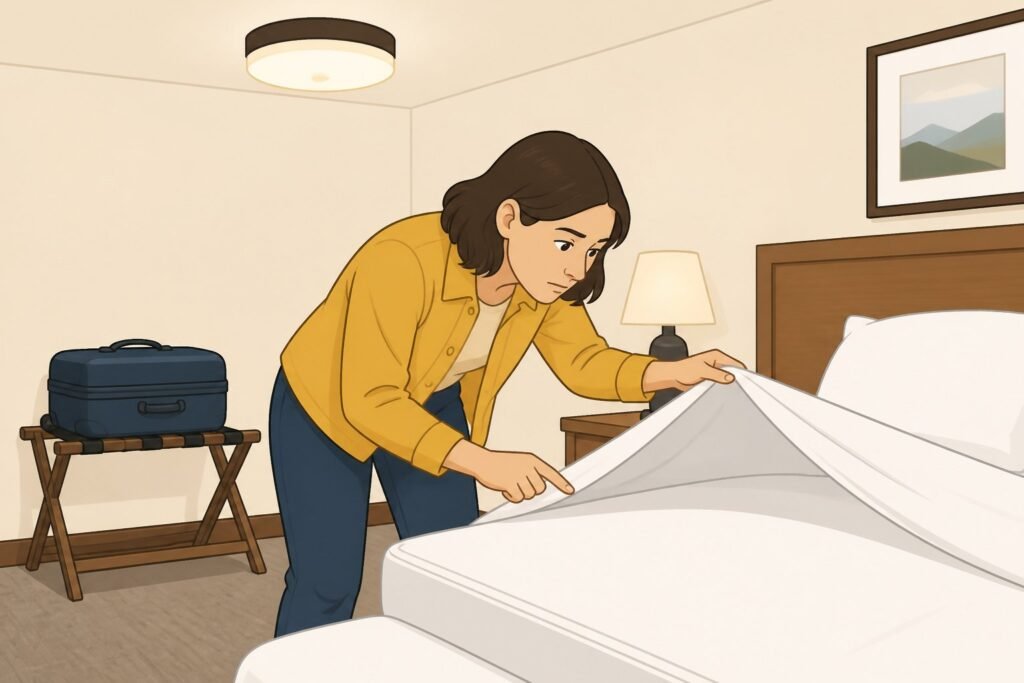
- Inspect the hotel mattress, box spring, and headboard before you unpack. Check the seams and corners for rust stains or live bugs.
- Keep your luggage on the luggage rack — away from walls — or in the bathroom, where bed bugs are far less likely to be.
- When you get home, unpack directly into the washer and dry your clothes on high heat.
When buying secondhand:
- Never bring home a used mattress. Full stop.
- Inspect secondhand upholstered furniture and wood furniture carefully before bringing it inside.
- Items like books, picture frames, and clothing from thrift stores can hitch a ride on clothing or in bags — inspect and heat-treat before storing.
In shared buildings:
- If a neighbor has bed bugs, they can spread through wall outlets and shared walls. Seal cracks in baseboards and around utility lines. Use outlet covers. Ask your landlord about building-wide pest management if needed.
Stick With It — Bed Bugs Require Multiple Rounds
The biggest reason DIY treatments fail isn’t the method — it’s stopping too soon. A single treatment won’t catch every egg. Bed bug eggs are resistant to most pesticides, which means the bugs that hatch a week after your first treatment will reinfest if you don’t follow up.
Plan for at least two to three rounds of treatment, spaced 7–10 days apart. Keep monitoring with inspections between rounds. If you see no live bugs or fresh fecal marks after three weeks of treatment, you’re making real progress.
Getting rid of bed bugs takes persistence. But with the right steps — heat, targeted pesticide use, encasements, and thorough inspections — you can get rid of bedbugs without losing your mind, or your mattress.