Table of Contents
You’ve felt it building all afternoon. The dull pressure behind your eyes, the tight band around your temples, the way the office lights suddenly feel too bright. By 4 p.m., you can barely focus.
Roughly half the adult population gets at least one headache a year, and about one in seven of us deal with migraines. So you’re in good company — and most of the time, you can fix it yourself.
Knowing how to get rid of a headache comes down to two things: figuring out what type of headache you’re dealing with, and matching the right approach to it. A tension headache wants different treatment than a migraine. A sinus headache wants something else again.
Start with the fastest fixes below. Then the natural remedies. Reach for pain medication only when you need it — and know the warning signs that mean a doctor, not a remedy.
First, Figure Out What Type of Headache You Have
Different types of headaches feel different because they happen for different reasons. Treating the wrong kind is how people end up swallowing four ibuprofen and still feeling awful.
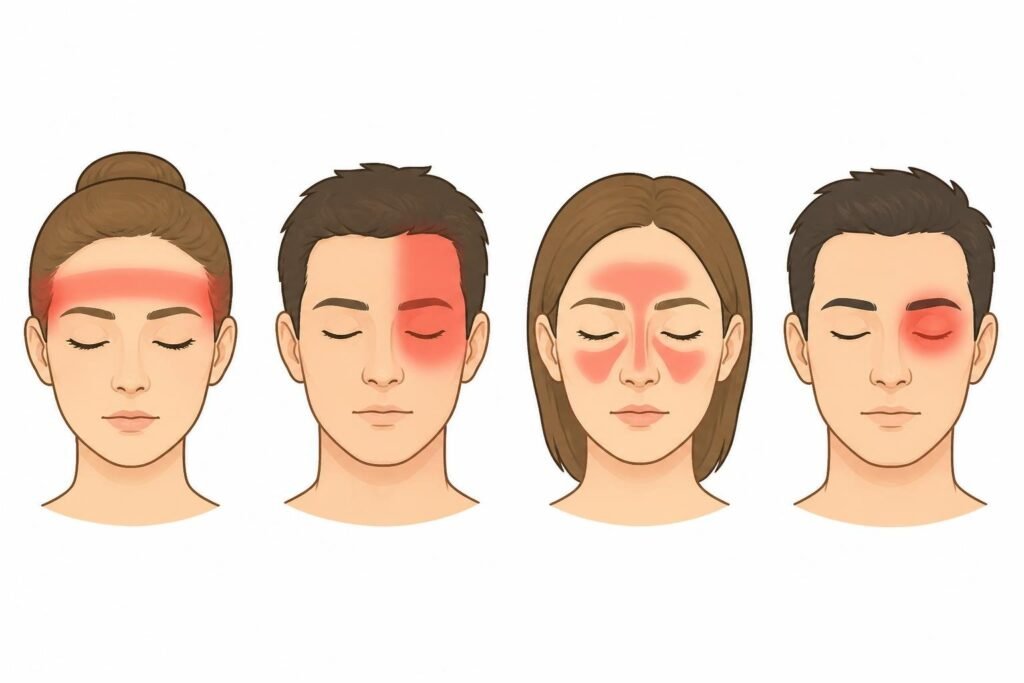
Here’s a fast cheat sheet to figure out which headache type you’re dealing with.
Tension Headache
The most common type of headache by far. Feels like a tight band wrapped around your head, often with sore shoulders or a stiff neck. Dull pressure, both sides, mild to moderate pain. Usually triggered by stress, poor posture, screen time, or jaw clenching.
Migraine
Sharp, throbbing pain — often on one side of the head only. Comes with nausea, light sensitivity, sometimes visual disturbances called auras. A migraine can knock you out for hours or days. Skipping meals, hormonal shifts, red wine, and lack of sleep can all bring on a migraine.
Sinus Headache
Pressure behind your cheeks, forehead, and the bridge of your nose. Worse when you bend over. Usually paired with a cold, allergies, or sinus infection.
Cluster Headache
Rare but brutal. Stabbing pain behind one eye, often at the same time each day during a “cluster” period. If you suspect this, talk to your doctor — these need real treatment.
Knowing your headache type changes everything about how you treat it.
Quick Relief: What to Do in the First 15 Minutes
Catch a headache early and you can often keep it from getting worse. The moment you feel one starting, run this checklist.
- Stop what you’re doing. Step away from screens, dim the lights, find a quiet spot.
- Drink two glasses of water. Dehydration is the sneakiest headache trigger out there. Most people who think they have a tension headache are just low on water.
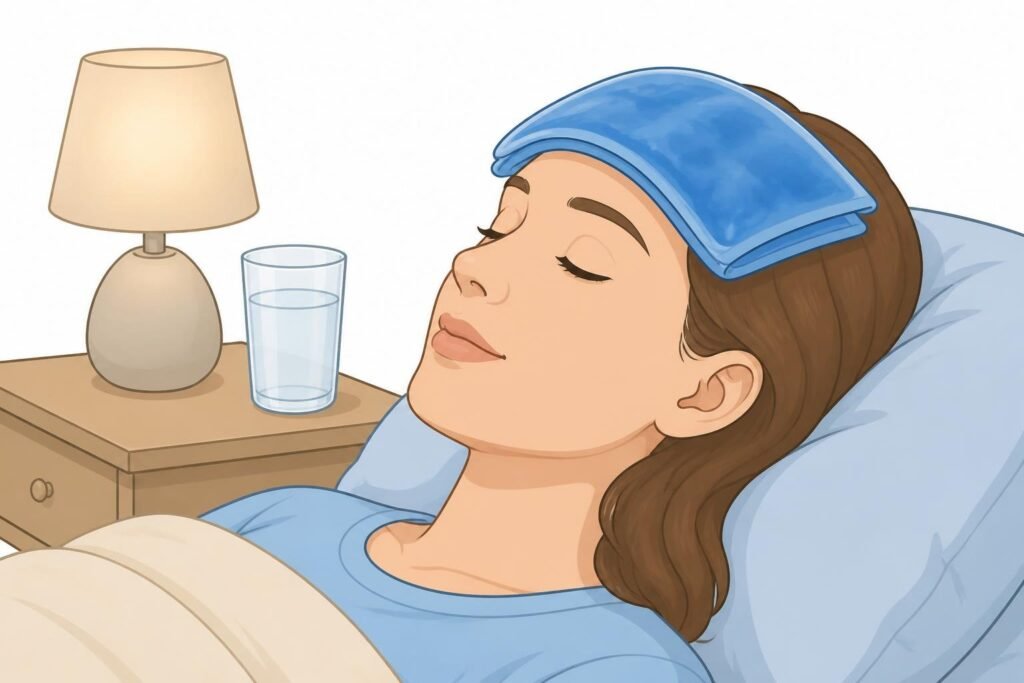
- Apply something hot or cold. A cold pack on the forehead helps reduce inflammation for migraines. A warm cloth on the back of the neck can help release muscle tension for tension-type headaches.
- Eat something light. Low blood sugar can lead to a headache fast. A banana, a handful of nuts, anything with protein and carbs.
- Breathe slow for two minutes. Tense shoulders pull on the muscles at the base of your skull. Letting them drop genuinely helps.
This five-step routine alleviates headache pain for most people within 20-30 minutes — long before any pill would have kicked in.
Natural Remedies That Actually Work
Before you reach for a pill, these natural remedies have real evidence behind them. None are miracle cures, but stacked together they help a lot of people find relief.
Hydration
If you only do one thing, drink water. Down two full glasses of water and wait 20 minutes. A surprising number of headaches disappear at this point alone.
A Small Hit of Caffeine
A cup of coffee or tea can constrict blood vessels and ease headache pain — especially for migraines. The catch: too much caffeine, or more than two drinks a day, can flip the script and trigger a headache instead. One small cup, not three.
Peppermint or Lavender Oil
Dab diluted peppermint oil on your temples and the back of your neck. Cool, tingling, mildly numbing. Lavender works better for stress-driven tension-type headaches. Both have small but real studies behind them.
Stretch Your Neck and Shoulders
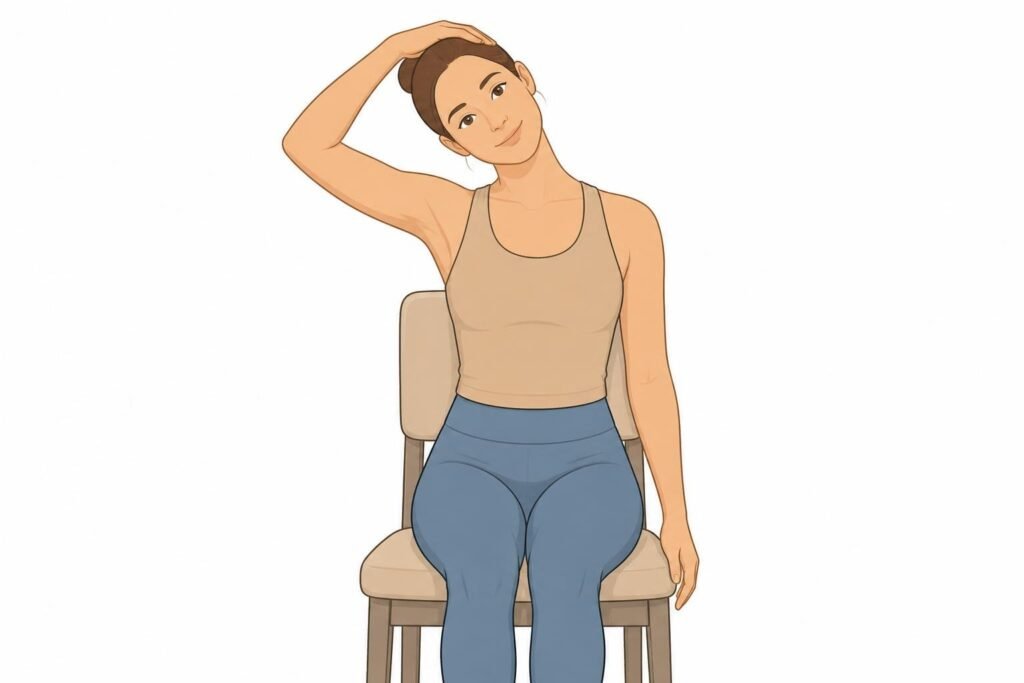
Roll your shoulders back five times, drop your ear toward each shoulder for a slow 20-second hold, and gently tilt your chin to your chest. Tension headaches live in the head and neck muscles — loosening them up helps ease the squeeze.
Sleep
If you can lie down for 20-30 minutes in a dark room, do it. Sleep is the one thing that consistently shuts down a migraine for people who can manage it.
When to Reach for Over-the-Counter Pain Medication
Sometimes natural remedies aren’t enough and you need actual headache medicine. Here’s how to pick one.
Acetaminophen (Tylenol) works on the chemicals in your brain that send pain signals. Gentle on the stomach, but heavy doses can cause liver damage. Stick to the label.
Ibuprofen (Advil, Motrin) is one of the nonsteroidal anti-inflammatory drugs. It helps reduce inflammation, which makes it great for tension headaches and many migraines. Take with food to protect your stomach.
Naproxen (Aleve) is another antiinflammatory option that lasts longer — about 8-12 hours per dose. Good if your headaches drag on.
Aspirin works similarly to ibuprofen and can help relieve pain quickly. Don’t give it to anyone under 19, and skip it if you have stomach issues.
Watch Out for Rebound Headaches
Here’s the trap nobody tells you about: taking painkillers more than 10-15 days a month can actually cause headaches. They’re called rebound headaches, or medication overuse headaches. Frequent headaches that show up like clockwork the morning after you take pills? That’s medication overuse talking.
If you’re taking over-the-counter pain medication more than twice a week, it’s time to see your doctor about a better treatment plan.
How to Ease a Tension Headache
Tension-type headache is the most common type. Most adults get them. The fix is usually about loosening up, not numbing out.
Stretch your neck for two minutes. Look down at your phone less. Get up from your desk every hour. Try jaw-relaxing exercises if you clench at night — a mouthguard from your dentist can help prevent headaches that start in your jaw.
Heat works better than cold for tension headaches. A warm shower aimed at the back of your neck loosens the muscles that pull on your skull. So does a heating pad on your shoulders.
If stress is the trigger, a 10-minute walk outside has solid research behind it. Movement plus daylight resets a lot of what makes your head pound.
What to Do When It’s a Migraine
A migraine is a different animal. If you’ve ever had one, you know — the throb on one side, the queasiness, the way every sound feels like a hammer.
The single most effective thing is shutting down sensory input. Dark room, cool pillow, no noise. Lie down and rest. Try a cold compress over your eyes or forehead.
Take pain medicine at the first hint of a migraine — not when it’s already at full force. NSAIDs work, but specialized migraine relief medications (triptans, gepants) require a prescription. If migraines hit you more than four times a month, talk to your doctor about prescription medications. There are good preventive options now that didn’t exist five years ago.
Keep a small kit ready: your meds, a cold gel pack in the freezer, an eye mask, a quiet playlist. Migraines don’t give you time to prepare in the moment.
Sinus Headaches, Cluster Headaches, and Other Types
Other types of headaches include sinus, cluster, and the dozens of less common headache disorders.
For sinus headaches, the goal is draining the pressure. A warm compress over your sinuses, a steamy shower, saline nasal rinses, and an oral decongestant can all help ease the pressure. If you have a fever or thick discolored mucus for more than a few days, see your doctor about a sinus infection.
Cluster headaches need a doctor’s involvement. Oxygen therapy and prescription medications work for them in ways nothing over-the-counter does.
Other secondary headaches occur because of something else going on — a head injury, an infection, medication side effects, or even a hangover. If a new kind of headache shows up and doesn’t match anything you’ve had before, that’s worth a phone call to your primary care physician.
How to Prevent Headaches From Coming Back
Treating a headache is one thing. Stopping the next one is the bigger win. A few simple habits help prevent headaches better than any pill.
- Sleep on a schedule. Same bedtime, same wake time, even on weekends. Disrupted sleep is one of the top headache triggers.
- Drink water all day. Aim for half your body weight in ounces. Dehydration sneaks up on you, especially in winter.
- Limit caffeine to one or two drinks a day. More than that and you risk caffeine-rebound headaches when you don’t get your usual dose.
- Watch the alcohol. Red wine is famous for triggering migraines. Dark liquors are worse than light ones.
- Move your body daily. Even a 20-minute walk reduces both frequency and intensity of headaches in most studies.
- Manage stress on purpose. Five minutes of breathing exercises, a hobby, therapy — whatever works for you. Stress is the number one tension headache trigger.
Keep a Headache Diary
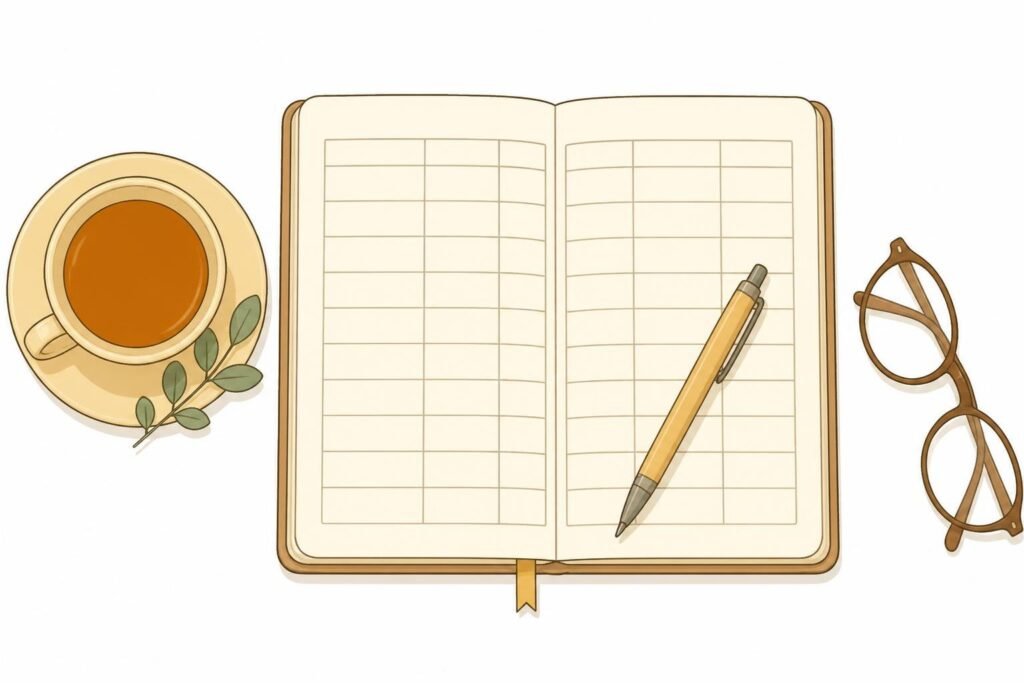
Sounds silly, but keeping a diary can help you spot patterns you’d never see otherwise. Note when each headache started, what you ate, how you slept, your stress level, and your cycle if relevant. After a month, you’ll likely find two or three triggers you didn’t know you had.
The American Headache Society recommends a headache diary as one of the most useful tools for chronic headaches. It costs nothing and the diary can help your doctor design a smarter treatment plan if you end up needing one.
Warning Signs: When to Call Your Doctor
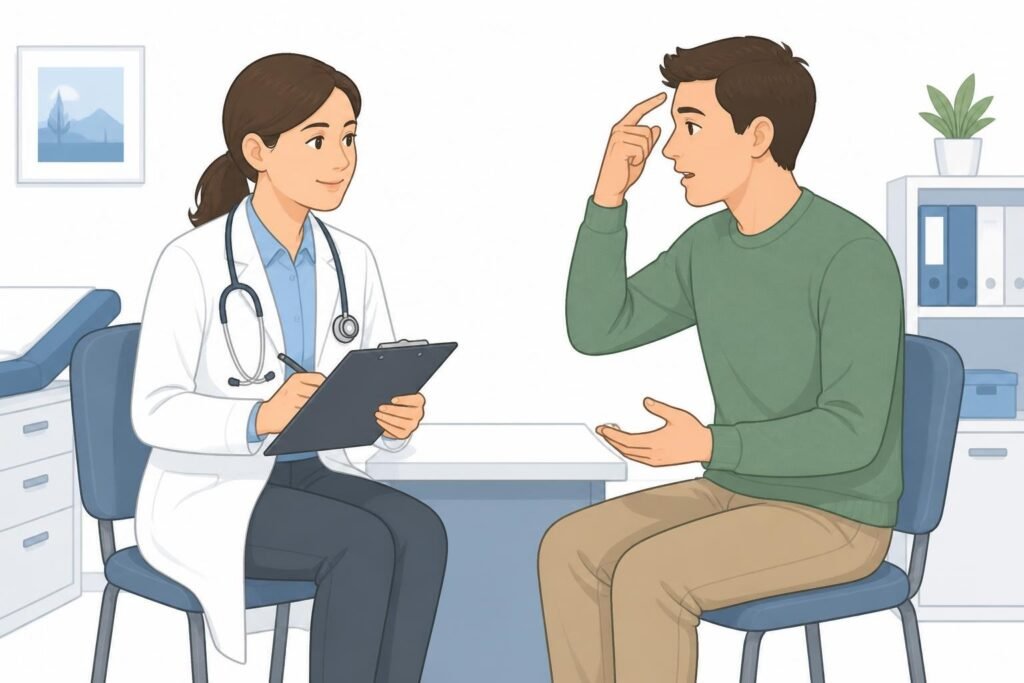
Most headaches are harmless, even when they feel terrible. But a few signs and symptoms mean you need to skip the home remedies and call your doctor right away.
Get medical attention fast if you have:
- A sudden, severe headache that hits like a thunderclap
- A headache after a head injury or fall
- A headache with fever, stiff neck, confusion, or rash
- Vision changes, slurred speech, or weakness on one side
- The “worst headache of your life”
- A new pattern of headaches if you’re over 50
Less urgent, but still worth a call: headaches more than twice a week, headaches not responding to over-the-counter pain medication, or any headache that’s clearly different from your usual.
Your primary care doctor can help you manage frequent headaches and rule out the rare scary stuff. If headaches are running your life, ask for a referral to a neurologist or headache specialist. They have tools — prescription medications, nerve blocks, preventive infusions — that go way beyond what a primary care physician can offer.
Build Your Own Headache First-Aid Kit
If headaches happen to you regularly, keep a small kit in one spot at home and another in your bag. It saves you scrambling when you’re already in pain.
What to keep stocked:
- Your over-the-counter painkiller of choice (Tylenol, ibuprofen, or naproxen)
- A reusable gel cold pack in the freezer
- A small bottle of peppermint oil
- A refillable water bottle you actually use
- An eye mask and earplugs
- A note with your headache diary or app reminder
Knowing exactly where to reach in those first few minutes makes a huge difference. The faster you respond, the better the relief.
The Last Word
Headaches are one of those things almost everyone deals with, but almost nobody handles well. Most people just grit their teeth and pop a pill. You can do better.
Drink the water. Step away from the screen. Try a cold compress, stretch your neck, breathe slow. Save the medicine for when those don’t cut it, and pay attention to patterns so you can prevent the next one.
If a headache is keeping you from work, sleep, or living your life — that’s not normal, and it’s not something you have to put up with. Call your doctor. Better tools exist now than ever before.
The next time you feel one creeping in, you’ll know exactly what to do.