Table of Contents
Here’s a question worth sitting with: when did you last feel happy — not excited, not relieved, not distracted — but actually content? For a lot of people, it’s hard to remember.
Happiness isn’t something most of us are taught to build deliberately. We’re taught to chase outcomes — the dream job, the right relationship, a bigger salary — and assume the feeling will follow. It mostly doesn’t. Or it does, briefly, then fades.
The good news is that learning how to be happy is a skill, not a personality trait. Research across psychology, neuroscience, and behavioral economics points to a clear set of habits, choices, and mindset shifts that make a real, measurable difference. None of them are complicated. Most of them are free. And the earlier you start, the more they compound.

Why Happiness Doesn’t Come From the Things in Your Life You Think It Does
Most people have a running list of things they believe will make them happy. A promotion. A vacation. Losing 15 pounds. Getting out of debt. And those things might create moments of joy. But research shows they rarely produce lasting happiness — and understanding why is the first step.
Psychologists call the cycle “hedonic adaptation.” When something good happens, happiness spikes. Then, within weeks or months, you return to your baseline. The same happens with bad things, by the way — we’re remarkably resilient. But the point is: chasing external milestones as your primary happiness strategy is like running on a treadmill. You keep moving, but you don’t get anywhere new.
What actually has a big impact on your overall sense of happiness and life satisfaction turns out to be much more ordinary: your daily habits, the quality of your relationships, how much autonomy you feel, and whether you have a sense of meaning in what you do.
Happiness doesn’t come from arriving somewhere. It comes from how you’re living right now.
The Role of Regular Habits in How You Feel Day to Day
Happiness isn’t a mood. It’s a pattern. And patterns are made of habits.
The things that made consistently happy people different from others in long-term studies weren’t dramatic life circumstances — they were regular habits practiced quietly over time. Getting enough sleep. Moving their bodies. Spending time with people they cared about. Having something to look forward to. These aren’t glamorous. But they’re the actual building blocks of a happy life.
Sleep Is Non-Negotiable
It’s hard to feel happy on 5 hours of sleep. Chronic sleep deprivation is directly linked to increased anxiety, lower mood, and reduced ability to regulate emotions. Before you try anything else to improve your happiness, look at your sleep. Most adults need 7–9 hours. Not 6. Not “I can manage on 6.” Seven to nine.
Move Your Body — Any Amount Counts
You don’t have to love exercise. You just have to do some. A 20-minute walk around the block has measurable effects on mood, stress, and mental clarity. Studies consistently show that physical movement reduces symptoms of depression and anxiety, often as effectively as medication for mild to moderate cases.
The first thing in the morning or a midday break — both work. The key is making it a regular habit rather than something you do when you feel motivated. You rarely feel motivated before you start. You almost always feel better after.
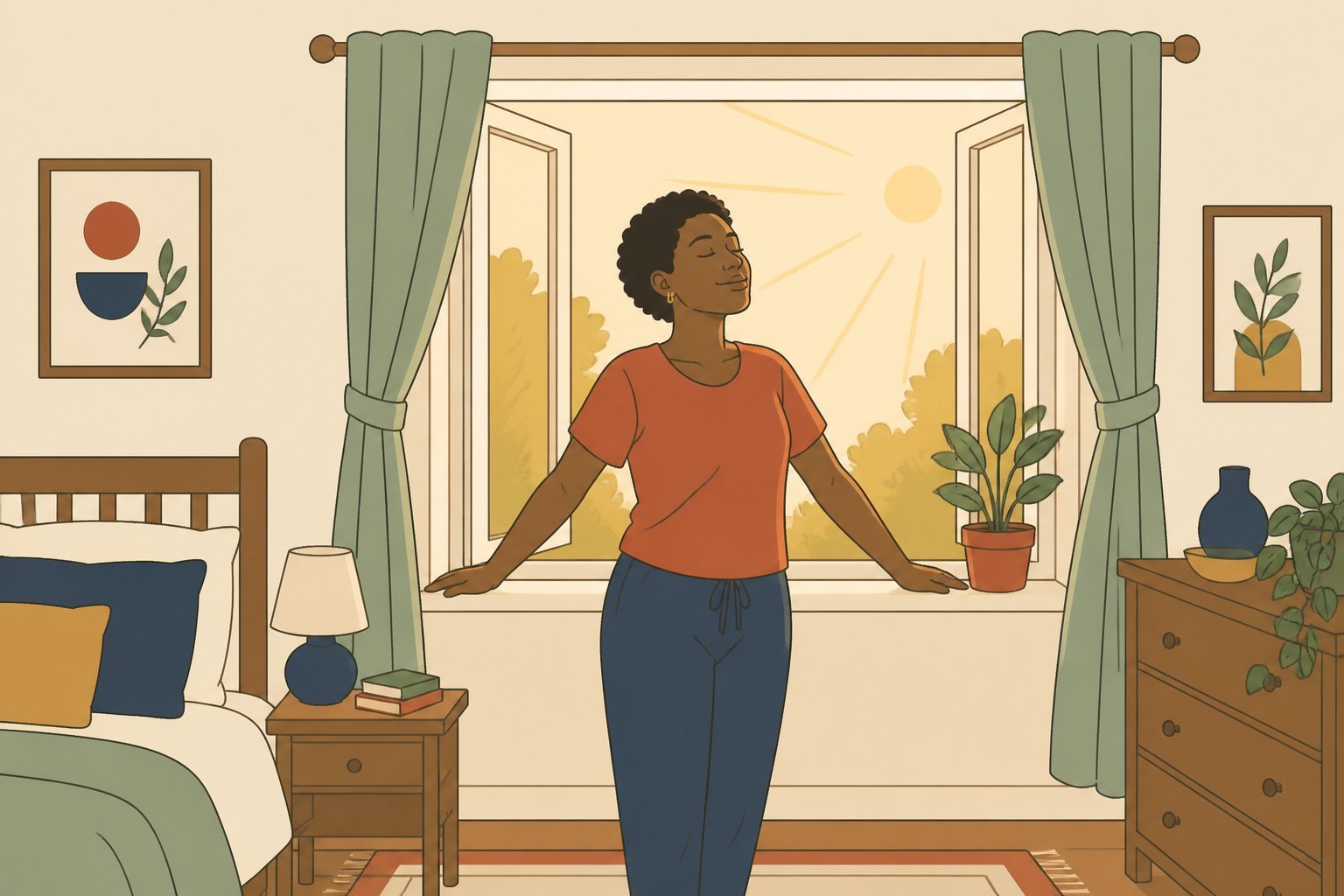
Go Outside and Get Some Air — Seriously
It sounds too simple to be meaningful, but spending time outside and getting fresh air is one of the most underrated things you can do to feel happier. A study published in the Proceedings of the National Academy of Sciences found that walking in nature for 90 minutes reduced activity in the part of the brain associated with rumination — the repetitive, negative thought patterns strongly related to unhappiness.
You don’t need a forest. A park works. A tree-lined street works. Even sitting near a window with natural light helps more than most people expect.

Spending time in natural settings lowers cortisol, reduces blood pressure, and makes us feel more connected and less rushed. When you’re stuck in a spiral of negative thoughts or just feel flat, going outside is often the fastest reset available.
Close Relationships Are the Thing for Our Happiness
If you read only one section of this article, make it this one.
The longest-running study on adult happiness — Harvard’s 80-year longitudinal research — found that close relationships are the most important predictor of happiness and health. Not wealth. Not status. Not how many followers you have. The warmth and quality of your personal relationships.
People with strong, supportive connections reported higher life satisfaction, lived longer, and stayed mentally sharper into old age. Isolated people — even those who were objectively successful — showed higher rates of unhappiness, cognitive decline, and early mortality.
What This Actually Means for You
It means that the people in your life deserve deliberate attention. Not just when it’s convenient, but consistently. A sense of trust and belonging doesn’t build on its own — it needs regular, small deposits of time and presence.
It also means being honest about which relationships drain you versus refuel you. Positive people who genuinely care about you are worth protecting and prioritizing. Relationships that consistently leave you feeling worse after every interaction are worth reconsidering.
Think about who makes you feel good, seen, and understood. Then ask yourself: when did you last reach out to them? If the answer is “a while,” send the message today. It’s one of the best decisions you can make for your long-term happiness.
Change Your Perspective on Negative Thoughts Instead of Fighting Them
Negative thoughts are normal. Everybody has them — happy people included. The difference is what happier people do with them.
Trying to suppress or eliminate negative thoughts tends to make them louder. What actually works is changing your relationship to them. Instead of treating every anxious or critical thought as objective truth, learn to notice it like a passing cloud. It showed up. It doesn’t have to define your afternoon.
Reframe, Don’t Ignore
Reframing isn’t about toxic positivity or pretending everything is fine. It’s about asking whether the story you’re telling yourself is the only possible interpretation of what’s happening.
A simple question that helps set a different mental direction: “What else could this mean?” Your friend didn’t text back — that could mean they’re angry at you, or it could mean they’re busy and it has nothing to do with you. Your project got criticized — that could mean you’re failing, or it could mean there’s a specific thing to fix and then it’ll be better.
Stop and take a breath before reacting to the fear and anxiety that a hard situation triggers. Most of the time, the worst-case version you’re imagining isn’t the reality.
Spend Money on Others — It Actually Works
Most of us assume spending money on ourselves will make us happy. And it does, a little, temporarily. But a well-known study found that people who were told to spend money on someone else reported significantly higher happiness than those who spent the same amount on themselves — even when they didn’t expect this to be true going in.
People who spent even a small amount — $5 — on a gift for someone else or a donation to charity reported feeling happier than those who spent it on a personal purchase.
The implications are broader than money. When you choose to spend your time, energy, or attention on someone else — make someone else’s day a little better, notice someone else’s effort, write a note that someone didn’t expect — the effect on your own sense of happiness and joy is real. The happiness of others becomes contagious in the best possible way.
Acts of kindness, big or small, go a long way. They make someone else’s life a little brighter, and they reliably make us happier as well.
Find a New Way to Experience Meaning and Purpose
A fulfilling life isn’t just one with plenty of pleasant moments. It’s one where you feel like what you’re doing matters — at least some of the time.
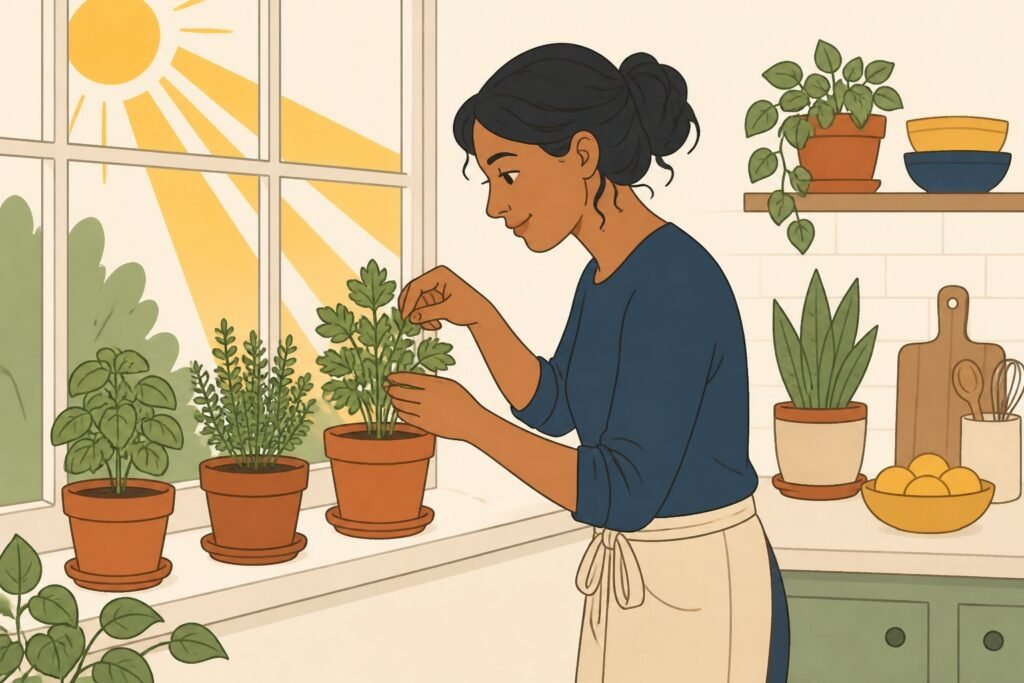
Purpose doesn’t have to be dramatic. It doesn’t require a calling or a mission. It can be as specific as mentoring a junior colleague, tending a garden, volunteering one Saturday a month, or learning a new skill just because you’re curious about it. Find a new thing that engages you and creates a sense of forward movement.
Research suggests that people who have a clear sense of purpose report higher overall happiness, better health, and more resilience when hard things happen. It’s not that purpose removes difficulty — it’s that it makes difficulty feel worth it.
Think about what feels meaningful to you rather than what you think should feel meaningful. Those aren’t always the same list. What gives you energy? What do you lose track of time doing? What would you regret not having tried?
One Thing at a Time: How to Actually Start
Here’s where people get stuck. They read a list of good habits and feel overwhelmed. They think they have to change everything at once — sleep, exercise, relationships, mindset. Then they change nothing.
The research on behavior change is clear: focus on one thing at a time. Pick the single shift most likely to have the biggest impact on how you feel right now, and start there. Just one.
Maybe it’s texting a friend you’ve been meaning to catch up with. Maybe it’s a 15-minute walk every morning. Maybe it’s putting your phone in another room before bed. These seem small. They’re not. Alone time spent without screens, one honest conversation, one morning where you feel physically good — each of these things cascades.
Living a happier life doesn’t require a transformation. It requires a direction — and then one consistent step at a time.
Start today. Celebrate the good things that happen, even the small ones. Treat your own wellbeing the way you would treat someone you genuinely like. Be a little patient with yourself.
Happiness isn’t a destination you reach. It’s something you practice until it starts to feel like home.