Table of Contents
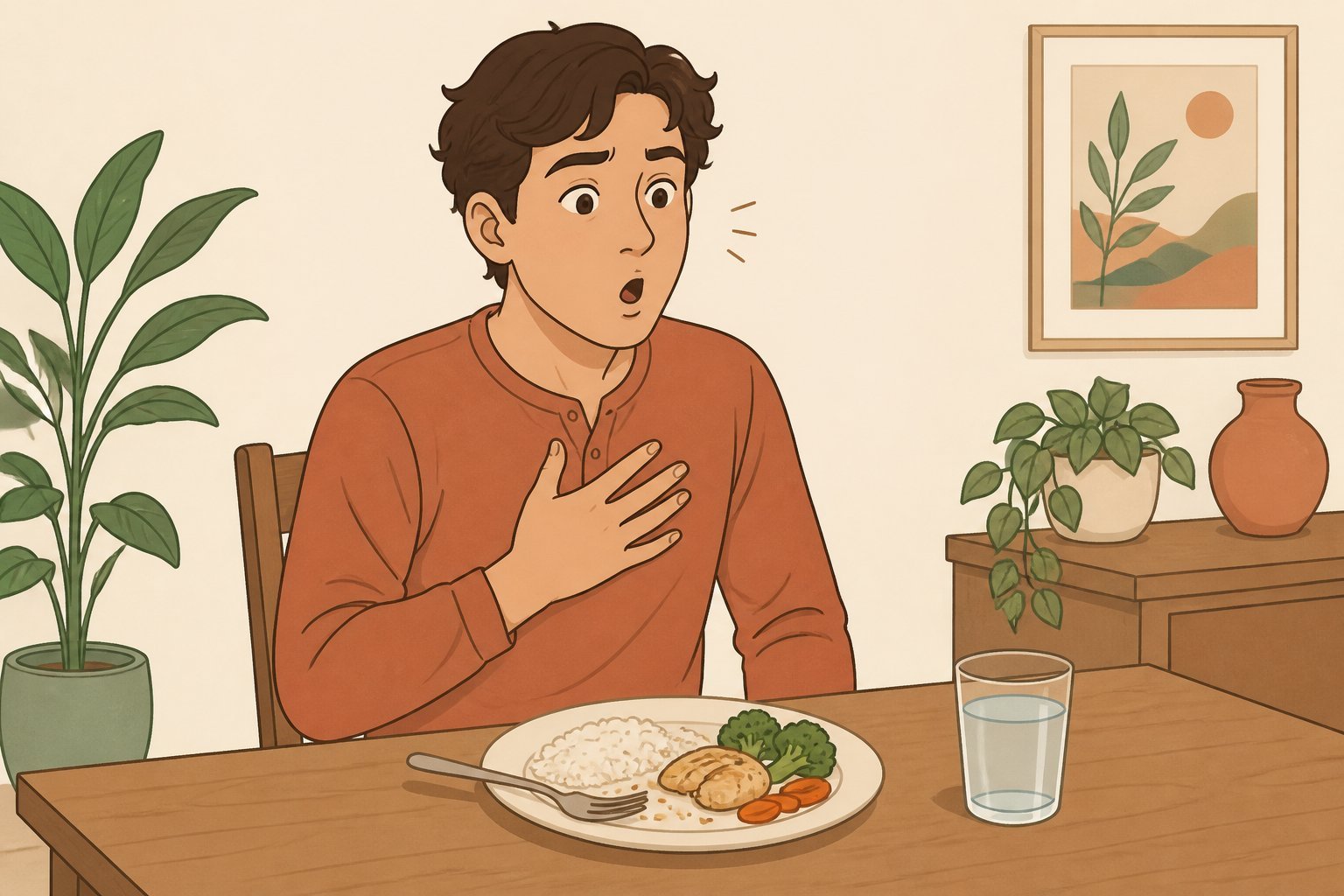
You’re mid-sentence in a meeting, or halfway through dinner, and it starts. That sharp, involuntary hic that won’t quit. Hiccups are annoying for the same reason they’re fascinating — your body is doing something completely outside your control. Most cases of hiccups go away within a few minutes without you doing anything at all. But when they won’t stop, you want a fix now. Here’s what actually works, what the science says, and when hiccups become something worth talking to a doctor about.
What Causes Hiccups in the First Place?
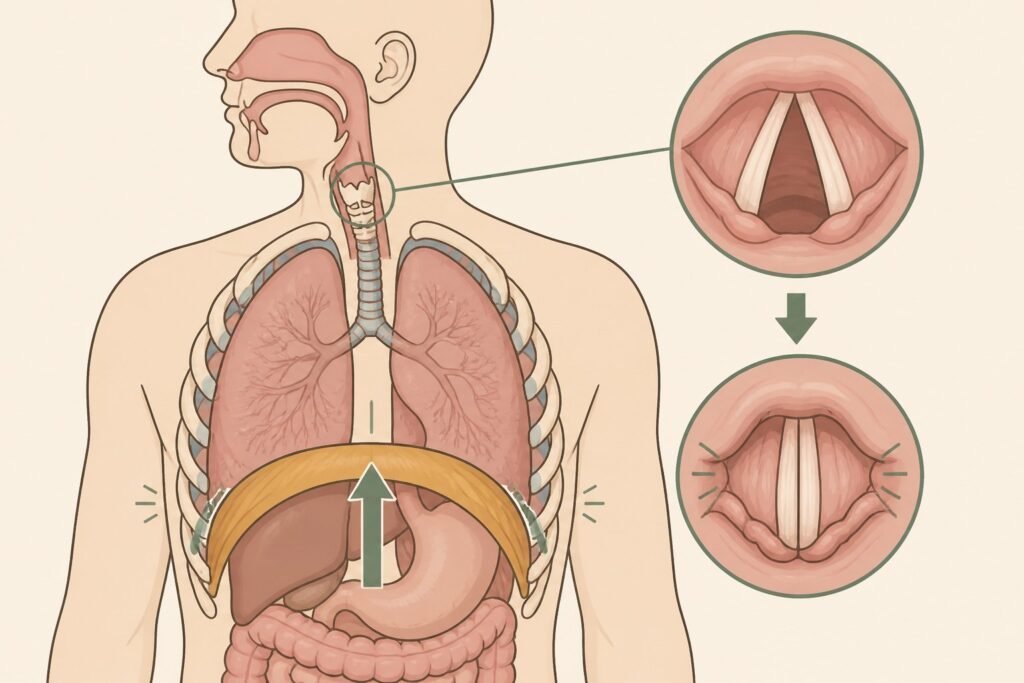
Hiccups happen when the diaphragm — the thin dome-shaped muscle sitting just below your lungs — contracts suddenly and involuntarily. That spasm pulls air in fast, and your vocal cords snap shut in response, producing the classic “hic” sound.
The diaphragm is a thin but powerful muscle, and it doesn’t usually act up. So what triggers hiccups?
Common triggers include:
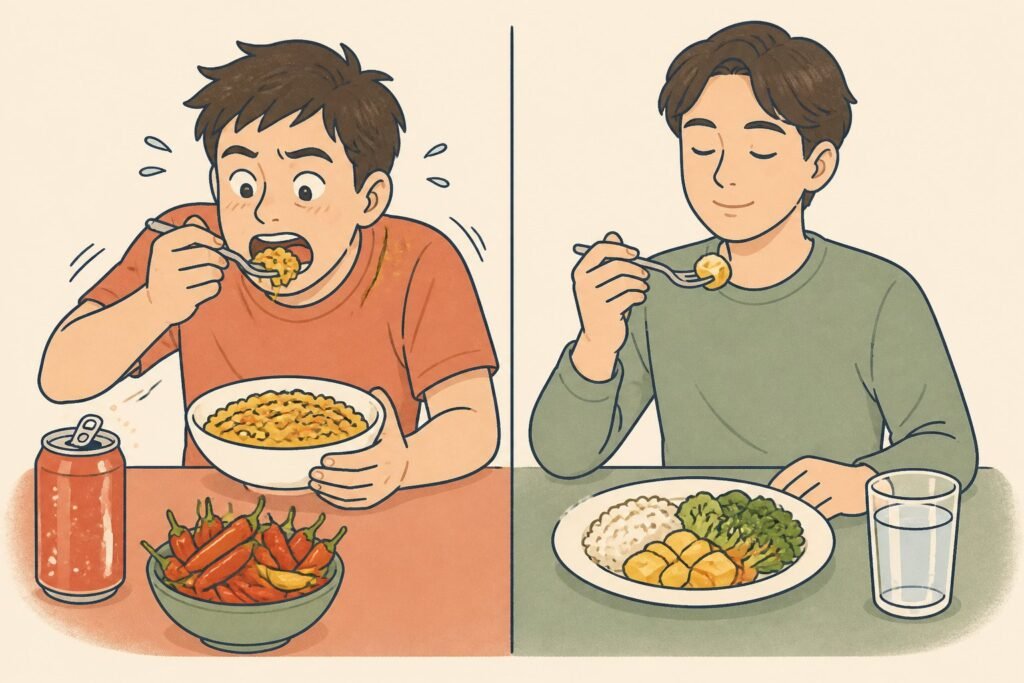
- Eating too fast or swallowing air
- Drinking carbonated beverages
- Sudden temperature changes (hot food followed by cold drink)
- Alcohol
- Spicy foods
- Excitement or emotional stress
The vagus nerve and phrenic nerve are both involved in the hiccup reflex. The phrenic nerve controls the diaphragm directly, while the vagus nerve connects the brain to most of the body’s major organs. Anything that irritates or stimulates either of these nerves can lead to hiccups.
Most bouts of hiccups resolve on their own in under 48 hours. When they do, they’re called transient hiccups or acute hiccups — no big deal.
The Fastest Ways to Get Rid of Hiccups
No single method works for everyone every time. The goal with most remedies is to either interrupt the phrenic nerve’s signaling, relax your diaphragm, or raise carbon dioxide levels in the blood — which is thought to reset the hiccup reflex.
Hold Your Breath
One of the simplest home remedies. Take a deep breath, hold it for about 10 seconds (some people find 10 to 20 seconds works better), then exhale slowly. Repeat two or three times.
Holding your breath builds up carbon dioxide in the bloodstream. Increasing carbon dioxide levels this way may help calm the diaphragm and stop the hiccup cycle.
Breathe Into a Paper Bag
Same principle as breath-holding — but breathing into a paper bag recirculates your exhaled CO₂, raising blood carbon dioxide faster. Breathe in and out of the paper bag slowly for about 30 seconds.
Don’t use a plastic bag. And don’t do this if you feel lightheaded.
The Valsalva Maneuver
This sounds more medical than it is. Close your mouth, pinch your nose, and try to exhale with force — as if you’re trying to pop your ears on a plane. Hold the pressure for 10 to 15 seconds. This stimulates the vagus nerve, which may interrupt the hiccup reflex.
Drinking and Swallowing Tricks That Help
Drink Ice-Cold Water Slowly
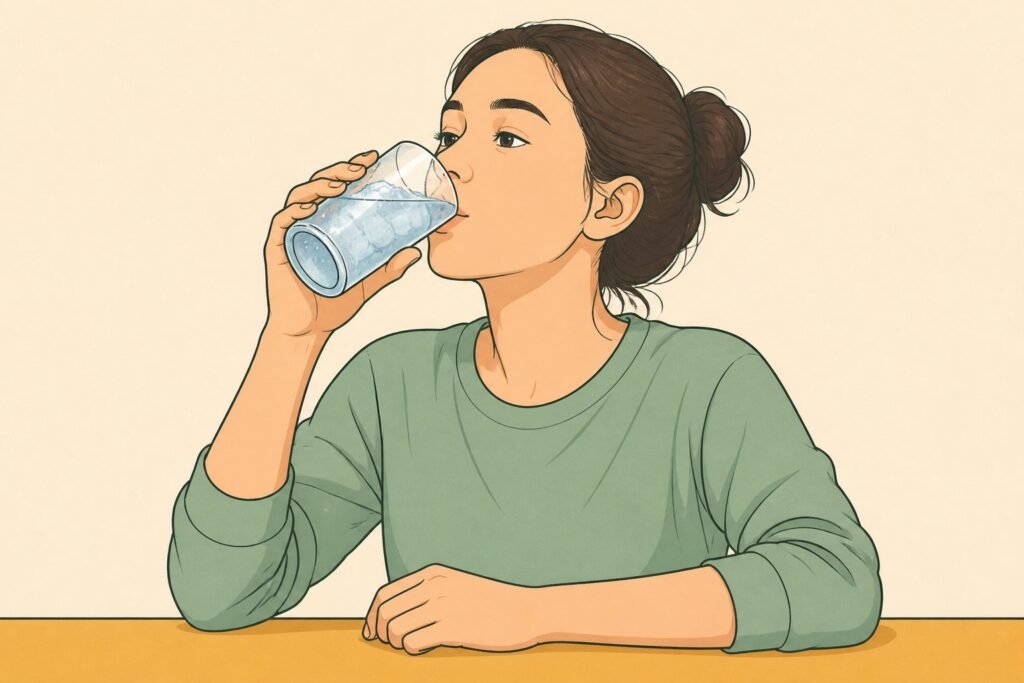
Sipping ice-cold water continuously — without stopping to breathe — is a classic hiccup remedy with real logic behind it. The cold temperature may stimulate the vagus nerve, and the sustained swallowing motion can help reset the rhythm of the diaphragm.
Try 10 slow, uninterrupted sips. Some people find it works on the first try.
Swallow Granulated Sugar
This one goes back decades. A spoonful of granulated sugar, swallowed dry, is thought to stimulate the vagus nerve via the swallowing reflex and possibly by irritating the back of the throat just enough to interrupt the hiccup pattern.
The evidence is anecdotal, but it’s harmless and a lot of people swear by it.
Drink Water Upside Down
You’ve probably heard this one. Bend at the waist, tip your head toward the floor, and drink water from the far edge of a glass. It sounds ridiculous, and the mechanics are unclear — but the theory is that the awkward swallowing position engages different muscle groups and creates gentle pressure on the diaphragm.
Worth trying if you’ve already exhausted the simpler options.
Breathing Techniques to Stop Hiccups
Box Breathing
Breathe in for 4 counts, hold for 4, exhale for 4, hold for 4. Repeat the cycle. This rhythmic pattern helps regulate the nervous system and may take the edge off diaphragm spasms that cause hiccups.
It’s also just a good thing to know how to do under stress — since stress itself triggers hiccups in some people.
Take a Deep Breath and Compress Your Chest
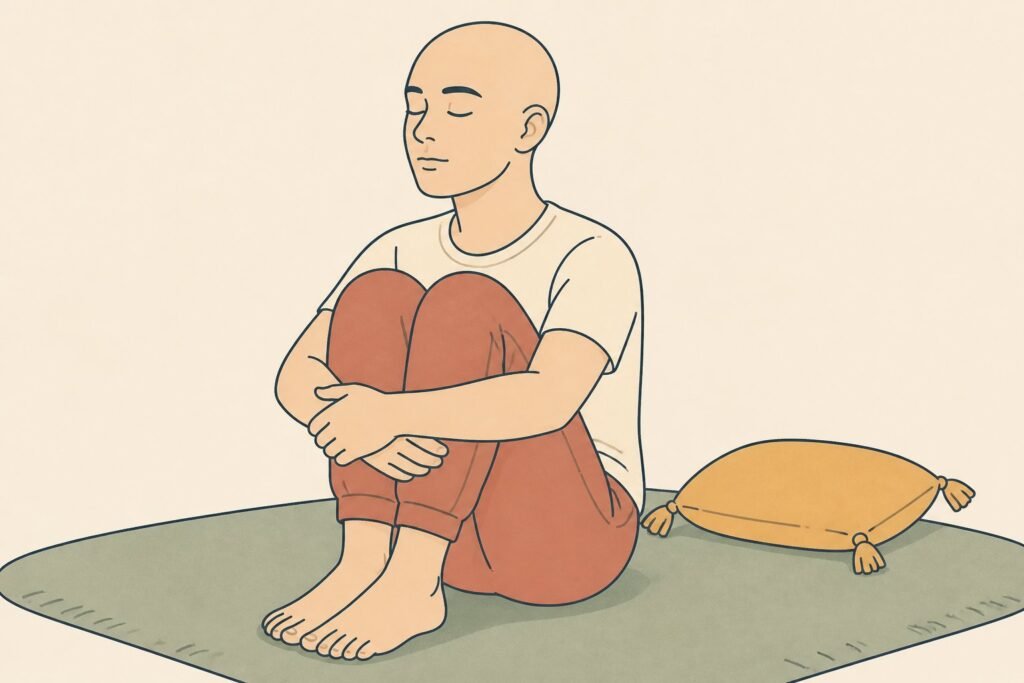
Take a deep breath, then pull your knees to your chest and hug them in while you hold the air in. The pressure on the diaphragm from this position can help relax your diaphragm and interrupt the spasm cycle.
Hold for 20 to 30 seconds, then slowly exhale.
Other Hiccup Remedies Worth Trying
These are less conventional but appear in case series and folk medicine traditions across cultures. Some have a physiological basis; others are harder to explain.
Stimulate the Back of Your Throat
Gently rubbing or applying gentle pressure to the back of your throat — the way you might when you feel a gag reflex — can activate the vagus nerve. This is one mechanism thought to explain why swallowing sugar works.
You can also try gargling cold water for 30 seconds.
Stick Out Your Tongue
Pulling your tongue forward or sticking it out activates the muscles at the back of the throat and stimulates the vagus nerve. It’s a recognized technique that shows up in medical literature as one of the things to try for short-term hiccups. Odd? Yes. Free? Also yes.
Bite Into a Lemon
The sharp sour taste creates an intense sensory stimulus that may short-circuit the hiccup reflex through vagus nerve activation. Add a little salt if you want the full traditional version of this remedy.
How to Prevent Hiccups by Avoiding Common Triggers
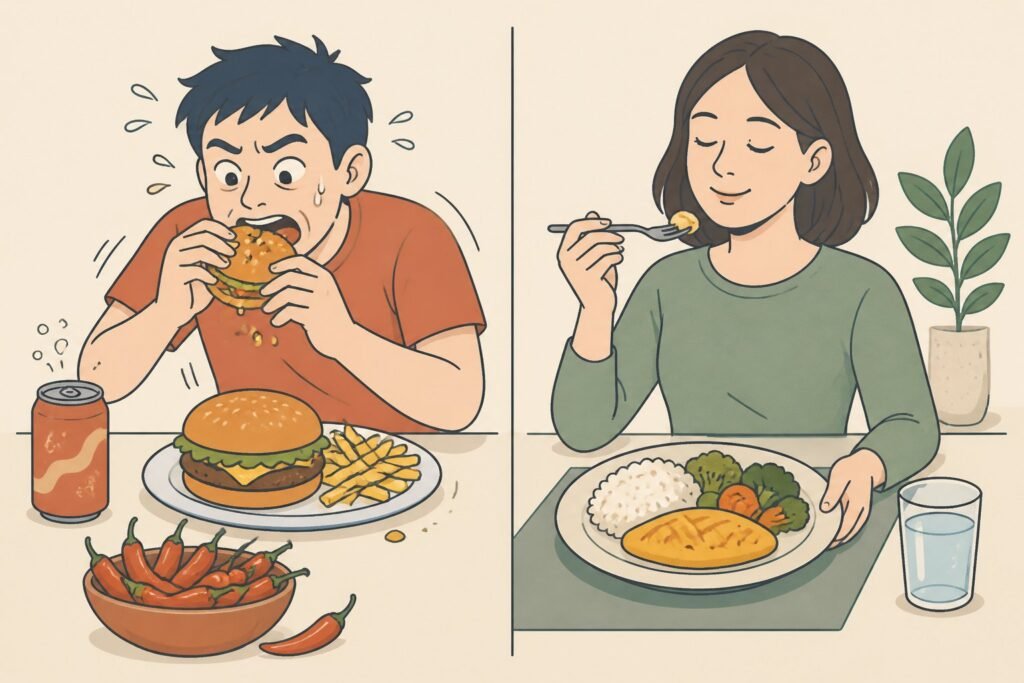
You can reduce how often you get hiccups by paying attention to what sets yours off. Some people get them almost every time they drink soda or eat quickly. Others rarely get them at all.
Practical prevention strategies:
- Eat slowly and chew thoroughly
- Avoid carbonated drinks during large meals
- Don’t eat while talking, laughing, or distracted
- Limit alcohol, especially on an empty stomach
- Avoid sudden switches from very hot to very cold food or drink
- Keep stress levels manageable — some people get hiccups as a stress response
Hiccups by avoiding these triggers won’t eliminate them entirely — but you’ll notice the frequency drops if you’re prone to them.
When Hiccups Are Chronic or Persistent — and What That Means
Hiccups that last longer than 48 hours fall into a different category. These are called persistent hiccups (48 hours to a month) or chronic hiccups (longer than a month). Intractable hiccups are cases that last more than two months — rare, but they happen.
Long-lasting hiccups are almost always a sign of an underlying medical condition rather than something eating triggered. The cause of hiccups that won’t stop can include:
- Gastroesophageal reflux disease (GERD)
- Central nervous system disorders
- Metabolic disturbances (such as kidney failure or electrolyte imbalances)
- Medication side effects (certain chemotherapy drugs, corticosteroids)
- Irritation to the vagus nerve or phrenic nerve from a tumor or infection
Intractable hiccups can seriously disrupt sleep, eating, and quality of life. They require medical investigation, not home remedies.
When to See a Doctor About Hiccups
See a healthcare provider if:
- Your hiccups last longer than 48 hours without any clear cause
- Hiccups that last are accompanied by chest pain, difficulty swallowing, or unexplained weight loss
- They keep coming back over weeks or months
- Home remedies haven’t made any difference
A doctor can evaluate whether there’s an underlying medical condition driving the hiccups and discuss options for the treatment of hiccups — including medications like baclofen, chlorpromazine, or metoclopramide for severe cases.
Hiccups are common and almost always harmless. But persistent or chronic hiccups that don’t respond to anything at home deserve proper attention.
The Bottom Line on Getting Rid of Hiccups
Most hiccups go away on their own, and most home remedies work by targeting the same two things: the vagus nerve and carbon dioxide levels. Holding your breath, breathing into a paper bag, drinking ice-cold water, swallowing sugar — these are all essentially doing variations on that theme.
If you want a go-to, start with breath-holding or slow cold water sips. They’re the most consistently reported techniques that may help and the easiest to do in public without looking too strange.
And if your hiccups last longer than two days? That’s when you move from home remedies to a conversation with a doctor. The guaranteed way to get rid of your hiccups long-term is to figure out what’s actually causing them — and for persistent cases, that takes a proper workup.